

THREE PAINTINGS THAT TOGETHER MAKE ONE COUNTRY
My name is Tania. I’m a private guide in the Netherlands and Belgium, and over the years I’ve built a tour I consider the most honest portrait of real Holland. Not the postcard version — with tulip magnets and canal selfies — but the living
one: the smell of smoke from a century-old smokehouse, cheese fresh from the press, and the silence of an island where fishermen’s families have lived by the same rules for three hundred years Author’s tour of Dutch villages countryside of Amsterdam. Three stops. Three entirely different characters. Three faces of one country. Zaanse Schans — industrial, proud Holland. This is where the world’s first
industrial revolution happened. Where windmills still turn. Where locals bake bread in 17th-century ovens.
The cheese farm — agricultural and technological Holland. Robots that milk cows. Thirty varieties of cheese to taste. And the answer to a question I’m asked on almost every tour: how does a country the size of a small province become the
world’s largest cheese exporter? Volendam and Marken — maritime, fishing Holland. Where eel has been smoked by the
same method since the 16th century. Where the best herring in the Netherlands is served fresh from the harbour. Where people still put on traditional costumes for
celebrations.
Let’s go — I’ll show you everything.
ZAANSE SCHANS: WHERE THE WIND BUILT A NATION
When my clients first see Zaanse Schans — the green wooden houses, the windmills with their arms spread wide over the river Zaan, the ducks on the water, smoke rising from chimneys — many of them go quiet for a moment. They just look.
That’s exactly the effect the place has. Zaanse Schans is an 18th-century neighbourhood that has survived almost unchanged. Around 35 original wooden buildings, eight working windmills, workshops where
clogs are still made by hand, and a small museum where you can taste Dutch chocolate. But the most important thing I do here is tell the story of the windmills — in a way that makes people see them completely differently.
A windmill is not a romantic symbol of Holland. It is a machine that saved the country from the sea. The Netherlands is the only country in the world where more than half the land lies below sea level. Without windmills pumping water from the polders, this land simply would not exist. In the 17th century, more than 600 windmills stood on the banks of the Zaan River — the highest concentration of industrial capacity per square kilometre anywhere in the world. They sawed timber for VOC ships, ground grain, pressed oil, made paper, and processed spices from the colonies.
It was here, in Zaandam, that in 1697 a carpenter who called himself “Pieter Mikhailov” quietly arrived to study shipbuilding. The Dutch taught anyone who wanted to learn. They could afford to.
What to see at Zaanse Schans: Working windmills — you can go inside, see real millstones, and hear a miller
explain how the mechanism works. I always recommend going inside at least one. The clog workshop — watching a whole pair of shoes emerge from a single block of wood in 20 minutes. Children love it most.
The chocolate shop — the story of Dutch chocolate is genuinely fascinating. It was here in the Netherlands, in 1828, that Coenraad van Houten invented the process for treating cocoa that made chocolate affordable for everyone.
Why Zaanse Schans and the cheese farm belong in the same day Zaanse Schans shows you Holland’s past — industrial, maritime, powered by wind and water. The cheese farm shows you Holland’s present — technological, where robots
milk cows, and one small country feeds the world with dairy. Together, they’re two chapters of the same story: how the Dutch turn constrained resources into global leadership. First with wind and blades. Now with sensors and
algorithms. Seeing both in one day — a 17th-century windmill and a 21st-century milking robot — and understanding the connection between them. That’s much more interesting than simply looking at windmills.

THE CHEESE FARM: 30 VARIETIES AND ROBOTS INSTEAD OF SHEPHERDS
Our next stop is a real Dutch cheese farm. Not a tourist imitation — an actual working farm with cows, and where cheese is made every day. Cheese production in the Netherlands began around 800 AD. By the 17th century,
Gouda and Edam had become so famous their names turned into variety names produced on every continent. The Netherlands — a country the size of a small province — is the world’s largest cheese exporter. More than 650,000 tonnes leave the country every year.
How? I’ll show you.
At the farm, you’ll see: Robotic milking. Every cow wears a sensor tracking her health, milk yield, and
sleep cycles. When a cow wants to be milked, she walks up to the robotic station herself. The robot identifies her, disinfects the udder, attaches the cups, and logs every measurement to the cloud. The farmer can monitor it all from his phone anywhere in the world. The cheesemaking process. From warm milk to pressing and brining — steps unchanged
in 500 years, but now happening in the sterile conditions of a modern dairy. The tasting. This is where it gets interesting.
More than 30 varieties — young, aged, with nettle, with cumin, with truffle, with lavender, smoked, goat’s. I always ask clients to close their eyes before the first piece of aged Gouda and simply listen to the flavour. Crumbly, sharp, with
crystals of salt that dissolve on the tongue. After this, no vacuum-packed “Dutch cheese” will ever be the same again.
About the cheese market season: Edam If your visit falls in summer — June through August — I always add Edam to the
itinerary. It’s a small town 20 minutes from Volendam that gave its name to one of
the most famous cheese varieties in the world. Every week, the town square hosts a traditional cheese market — the same as in the 17th century. Porters in white costumes and woven hats carry enormous round cheese heads on special wooden carriers. Trade is conducted with a slap of palm against palm — an ancient Dutch custom called “handslag.”
This is not a theatrical show for tourists. This is a living tradition the Dutch have maintained for more than 400 years.
VOLENDAM: THE SMELL OF SMOKE, THE TASTE OF THE SEA AND THE BEST EEL IN THE
NETHERLANDS
Volendam is my favourite stop on this route. Not because it’s the most spectacular. Because it’s the most genuine.
A fishing village since the 13th century. Fishermen still live here — though fewer than before. The Haven waterfront is one of the most photographed views in the Netherlands: a row of dark green wooden houses with white shutters, boats on the water, the smell of sea and fish. But the most important thing about Volendam isn’t how it looks. It’s how it
tastes. Smit Bokkum smokehouse: the best eel in the Netherlands If I have to name one place in Volendam that’s essential — it’s the old Smit Bokkum smokehouse on the waterfront. Over a hundred years old. They smoke eel here
using a recipe passed down through generations. Smoked eel (paling) is a delicacy most tourists are afraid to try. They’re wrong. The eel is smoked slowly over alder chips for several hours. It comes out rich, tender, with a golden crust and a subtle smoky aroma. At Smit Bokkum it’s served several ways: Smoked on bread with butter — the classic. Braised — soft, falling into flakes, extraordinary. As eel soup — thick, creamy, with potato and herbs. This is, without exaggeration,
the best soup I have eaten in the Netherlands. I always arrange a traditional waterfront lunch for my clients: eel soup, smoked eel on bread, fresh herring with onion, kibbeling, and local Volendam beer. A meal people talk about for years.
On herring
The Dutch and herring are a 500-year love story. The Dutch invented a method for preserving herring on board ship in the 15th century — and this is what made them masters of the North Sea. Today, Dutch herring is eaten like this: raw, lightly salted, with raw onion — head tilted back, swallowed whole. It sounds more alarming than it is. It tastes delicate, gently salty, and completely delicious. The first time always brings hesitation. The second time
brings the desire for one more. Kibbeling: fried cod the Dutch way Another Volendam essential is kibbeling — pieces of fresh cod in light batter, deep-fried, served with garlic or mustard dipping sauce. Sold in paper cups
directly on the harbour. Wonderful street food, deeply Dutch. Hotel Spaander: where to stay if one day isn’t enough
Hotel Spaander on the Volendam waterfront is a legendary 19th-century hotel where artists came to paint — Picasso, Monet, Sisley all stayed here. The restaurant walls are covered with paintings they left behind in exchange for a room. The rooms are modest, the atmosphere irreplaceable. To wake here in the morning, open the window to the harbour and watch fishermen preparing their boats — that is an experience that stays with you.
MARKEN ISLAND: WHERE TIME STOPPED
Marken is a special stop. Not every tour includes it, but I always offer it to clients who have time. Once a true island in the middle of the Zuiderzee — the inland sea sealed off from the ocean by the Afsluitdijk in 1932 — Marken is now technically a peninsula. But the causeway is so narrow that the island feeling remains completely intact.
About 2,000 people live here. Many are descendants of the same fishing families who have lived here for 400 years. The local dialect is so distinct that even Dutch speakers from other provinces often can’t understand it. The houses stand on stilts — the island flooded repeatedly, and local people learned long ago to build with space for water to pass beneath. The colours are black and dark green, entirely different from Volendam. The Marken Express ferry between Marken and Volendam is a lovely way to connect the two. Thirty minutes by water with a view of the shore. I always recommend this
option when the weather allows.
MY TOUR: ONE DAY — THREE HOLLANDS
Here’s how a full day looks: In the morning I collect you from your hotel or from Schiphol Airport in a
comfortable car for up to 6 passengers. There is Wi-Fi, water, child seats — everything you need for an easy journey.
First stop: Zaanse Schans. Unhurried, with stories, we go inside a windmill, visit the clog workshop and the chocolate shop. Then: the cheese farm. We see the cows and robots, watch cheese being made, and taste — 5 varieties, 8, as many as you like. We take a favourite home. After: Volendam. Lunch at Smit Bokkum or on the waterfront: eel soup, smoked eel on bread, herring, kibbeling, local beer. We walk the harbour, photograph the green houses. Optional: Marken by ferry or car. In season: the cheese market in Edam. In the evening I bring you back to your hotel — with the best possible memories and a wheel of cheese in a bag. The itinerary adapts completely to you. Children travelling — we add the stops
they’ll love. Photography is your thing — I know every angle with the best light. More history, less food — we adjust.
Individual format only. No strangers in the car. This is your time with the people you love.
WHY WITH A GUIDE RATHER THAN INDEPENDENTLY


Zaanse Schans, Volendam and Marken can be visited independently — by train, bus and ferry. I’m always honest with my clients: it’s technically possible. But there’s a difference. On your own, you’ll spend 2–3 hours on logistics that could have been spent on experience. You’ll see the windmills, but not learn why there were 600 and what
happened to them. You’ll taste the cheese, but not understand why aged Gouda and “Dutch cheese” from a supermarket are different universes. You’ll walk past the Smit Bokkum smokehouse — and not know that it serves the best eel in the
Netherlands. Context is what people come to me for. Not because they can’t get there themselves. Because they want to understand what they’re seeing. Plus — a car is simply more comfortable with children, heavy bags, or after a long
flight. And I time each stop to arrive when the fewest other visitors are there.
How long does the tour take?
The full route — Zaanse Schans + cheese farm + Volendam — is around 6–7 hours.
With Marken: 9–10 hours. Two stops from three is also a great option.
Can we bring young children?
Yes, and children usually love this tour. Windmills, cows, the ferry, the smell of
the smokehouse — it’s a genuine adventure. Child seats are in the car. I adapt the
storytelling for families.
Where is the best place to eat in Volendam?
Smit Bokkum smokehouse on the waterfront — for eel and eel soup. The same place
for kibbeling. Herring — at any fish stall on the harbour. Local beer — at any
café on the Haven.
Is it worth visiting in winter?
Yes. In winter, Zaanse Schans is almost empty — and the windmills look
extraordinary in mist or low winter light. Volendam in winter is quiet and
intimate.
What is kibbeling?
Pieces of fresh cod in light batter, deep-fried. Not greasy when fresh. Crispy,
with dipping sauce. Even people who “don’t like fish” usually finish everything.
Is there Wi-Fi in the car?
Yes. Also water, child seats and charging points.
How do I book?
Write to me — I’ll reply within a few hours. Tell me how many of you, when you’re
planning to visit, and what interests you most. I’ll design an itinerary
specifically for your group.
Tania — Private Guide, the Netherlands and Belgium
Dutch countryside tours · Individual format only · Car for up to 6 passengers
Wi-Fi · Water · Child seats · Pick-up from hotel or Schiphol Airport
Amsterdam · Zaanse Schans · Volendam · Marken · Edam · The Hague · Delft · Antwerp
вибери тур
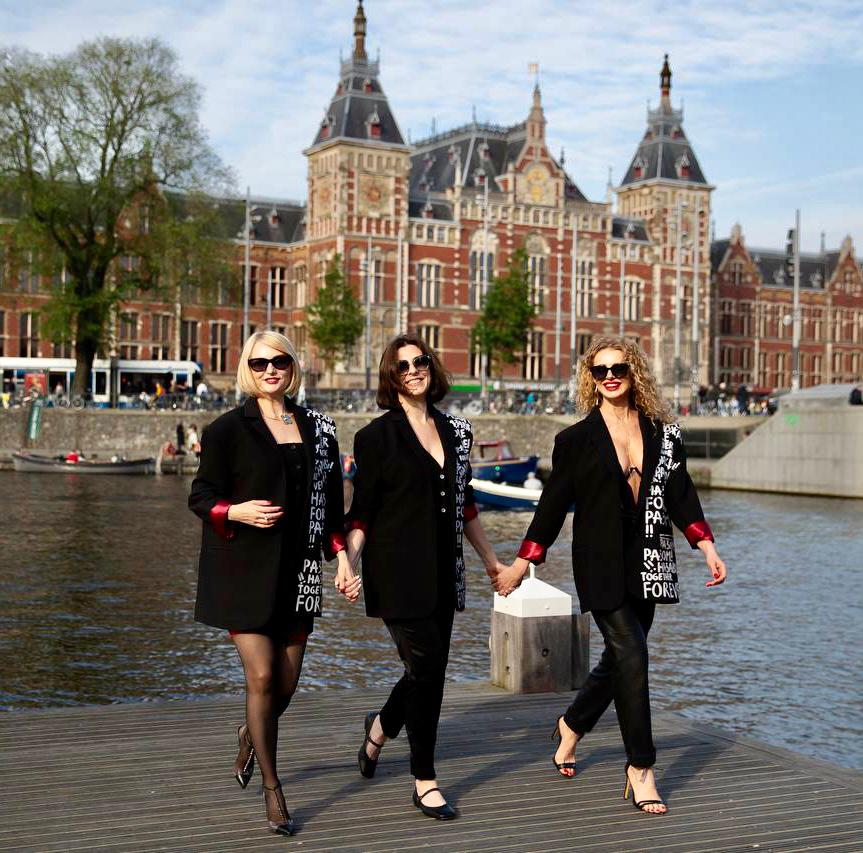
Private Author's Walking Tour of Amsterdam
Private Tour (2 hours) | 17th-Century Canals and the Jordan District | Courtyards Hidden from the Crowds
€ 160
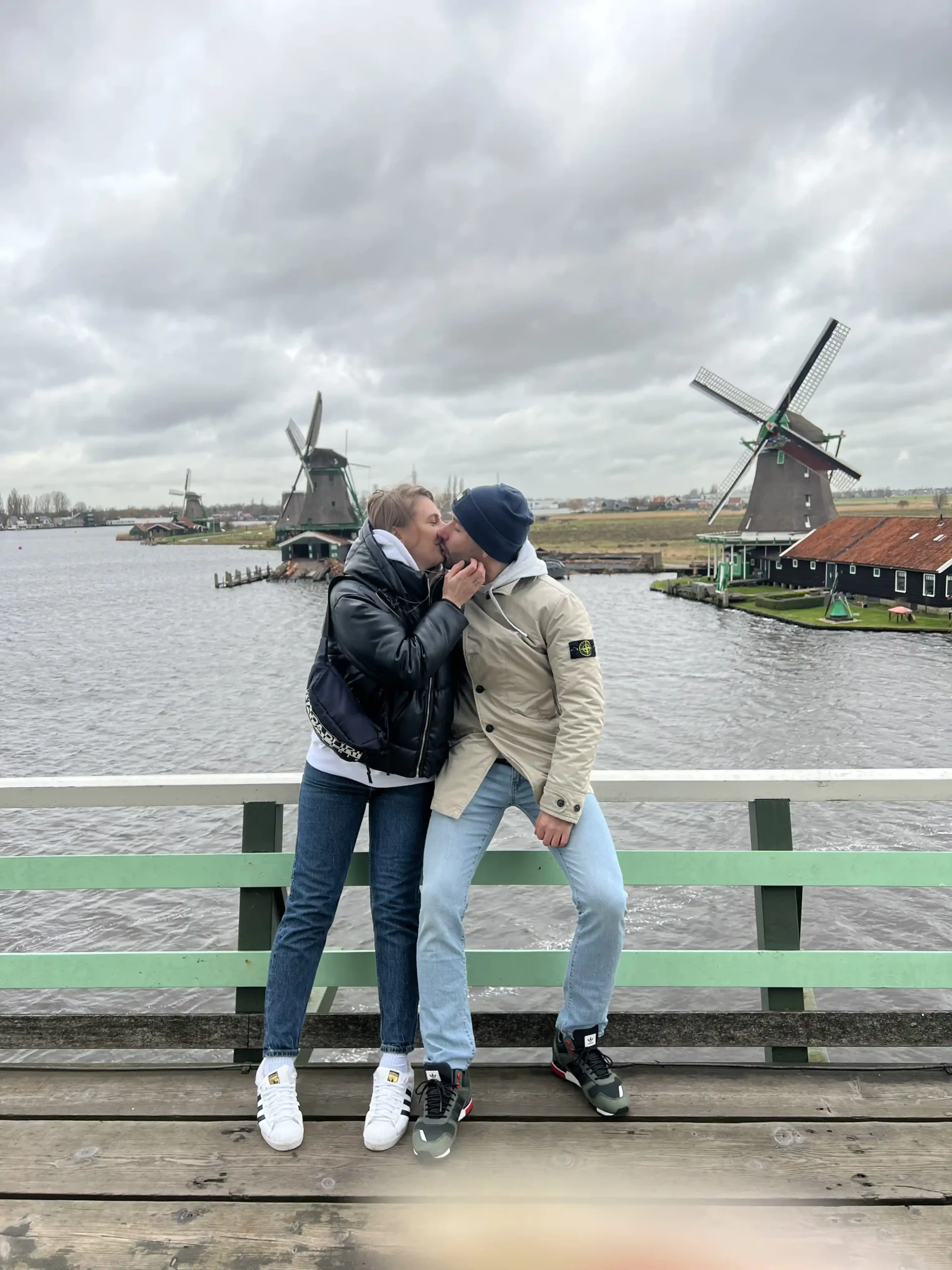
Dutch Villages Tour from Amsterdam
A 6-hour guided car trip exploring traditional countryside windmills, a cheese farm, and fishing harbors. Tailored completely to your pace with comfortable hotel pick-up.
€ 500
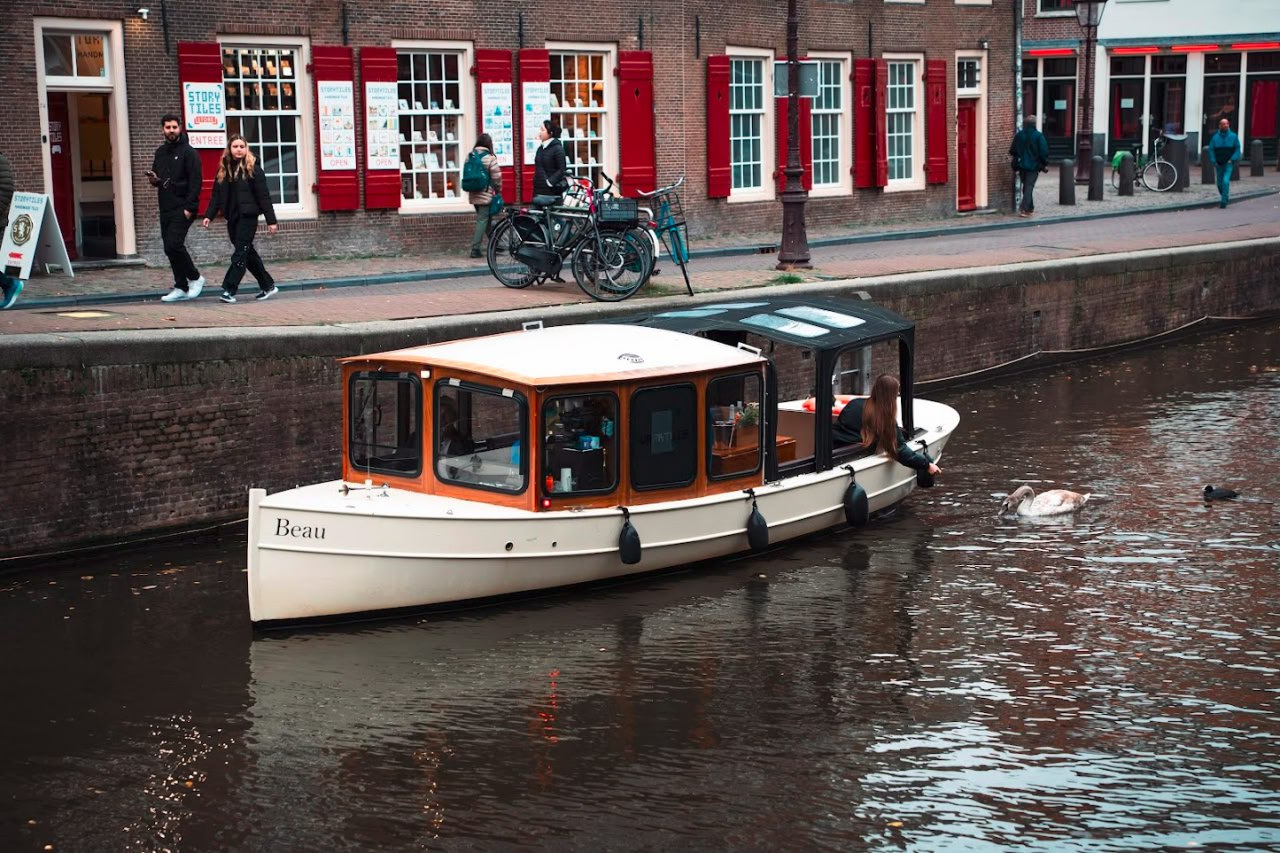
Amsterdam Combo Tour: Private Walking Tour and Canal Cruise
A 3.5-hour private walking tour of the historic center combined with an Amsterdam canal cruise. An exclusive experience with a private guide.
€ 500