
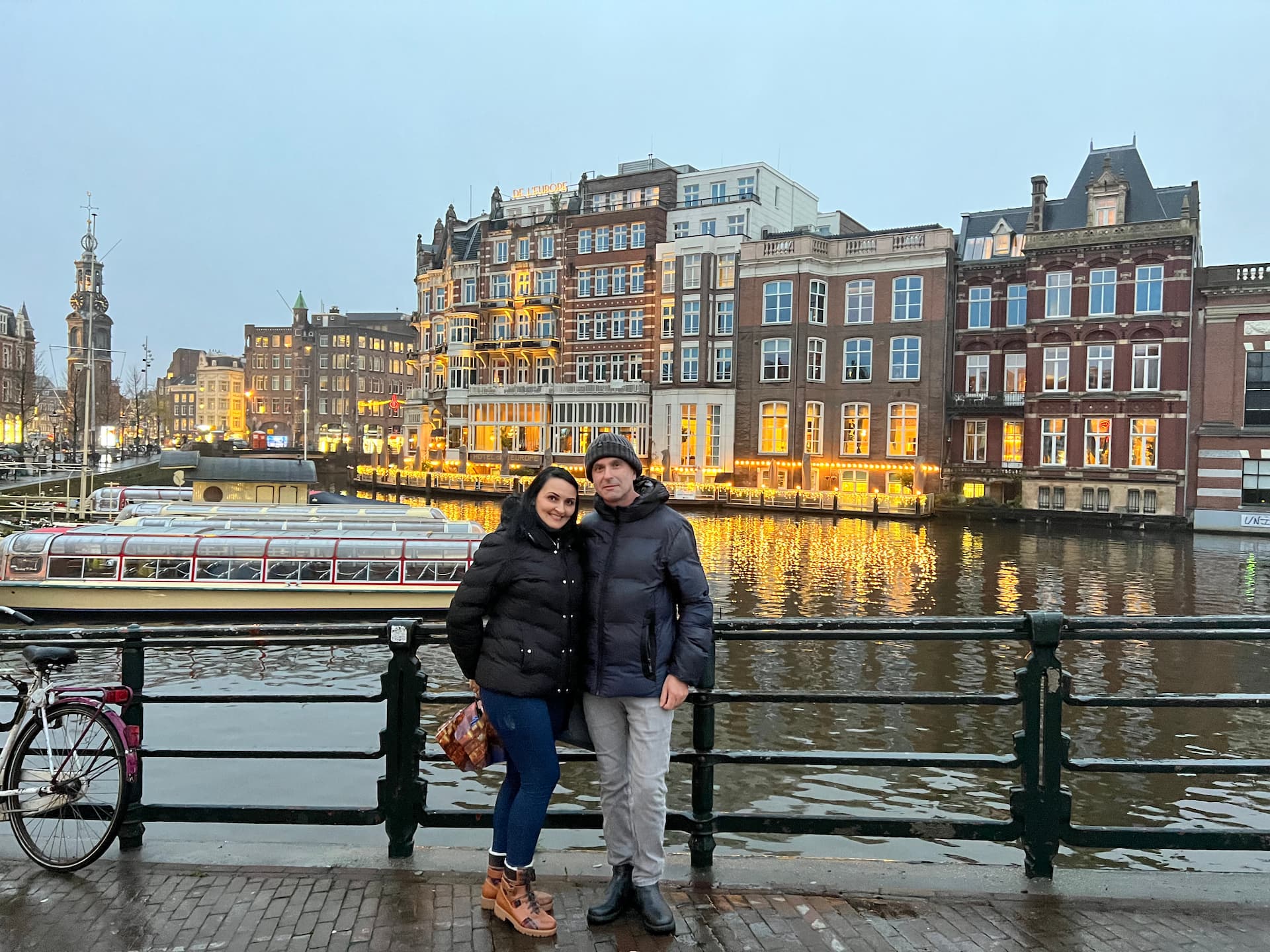
If you are trying to figure out what to see in Amsterdam in a day or two, the main problem isn’t a lack of sights, but the sheer chaos of generic tourist lists. I’ve lived and worked as a guide in the Netherlands for nine years, hosting over 1,700 tours. This isn’t a Wikipedia summary; it’s the exact route I use for my guests. Expect a logical flow, realistic timings, and honest notes on what you can safely skip if your day is short.
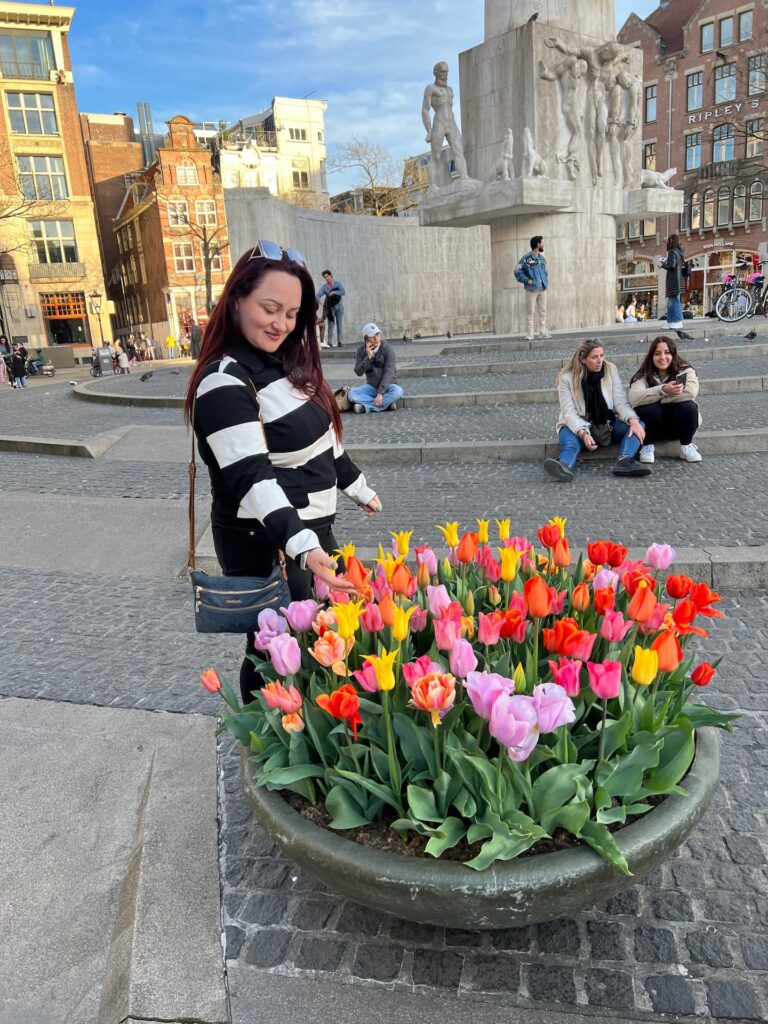
1. Dam Square & The Royal Palace
The best place to start exploring the city is exactly where it began. Dam Square is Amsterdam’s historical heart—literally the 13th-century dam on the Amstel River that gave the city its name and sparked its growth.
The square is framed by three iconic structures that serve as an excellent visual starting point:
The Royal Palace. A 17th-century masterpiece built as a city hall before becoming a royal residence. Inside is the impressive Citizens’ Hall, featuring a marble floor inlaid with a world map seen through the eyes of Dutch Golden Age explorers.
Nieuwe Kerk (New Church). The traditional coronation site for Dutch monarchs, which today operates as a massive exhibition space.
The National Monument. A white obelisk honoring WWII victims, which doubles as a permanent meeting spot for both locals and tourists.
Dam Square is just a five-minute walk from Centraal Station, making it the most logical launchpad for almost any city route—including my original Private Author’s Walking Tour of Amsterdam.
2. The House with the Heads & Museum of the Canals
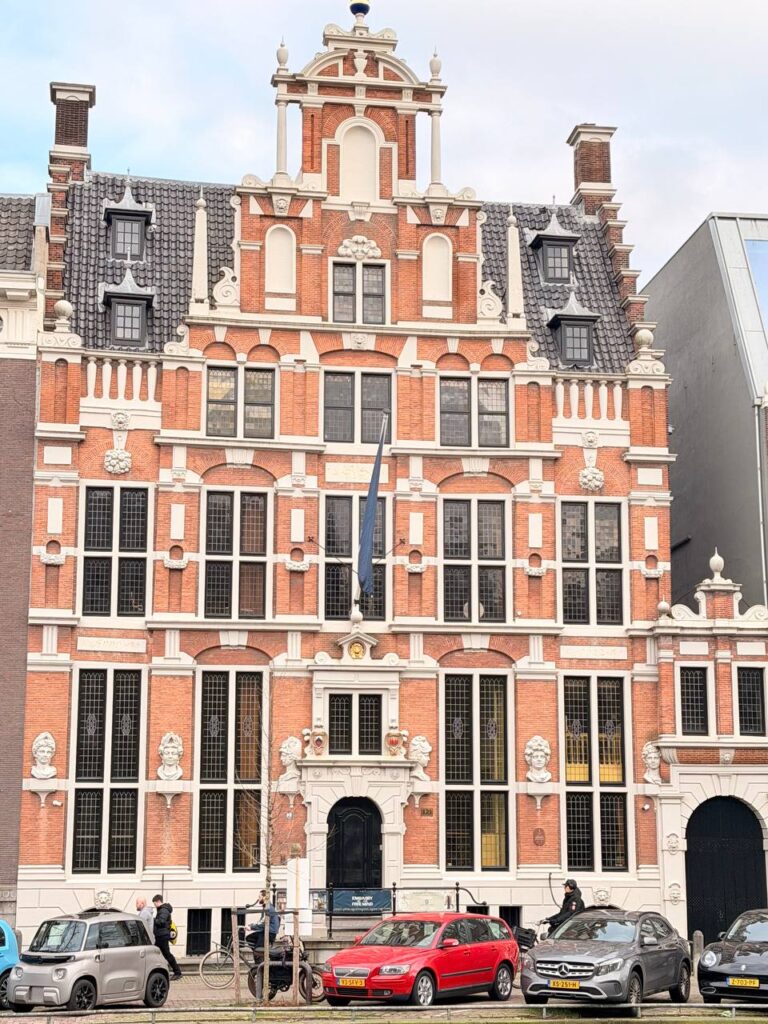
Many people walk right past these addresses, which is a mistake. On the Keizersgracht canal stands the House with the Heads (Huis met de Hoofden)—a striking example of Dutch Renaissance architecture. Its facade is decorated with six stone busts. Urban legend claims they are the heads of robbers beheaded by a fearless maid, but the historical truth is much simpler: the sculptures depict classical gods.
Just a five-minute walk away is the Museum of the Canals (Het Grachtenhuis). Through a 45-minute multimedia installation, this museum explains exactly how a city on water was even built: why the houses stand on wooden piles, why concentric canal rings were needed, and how Amsterdam merchants turned a swamp into one of the wealthiest cities in the world. It’s an essential stop if you want to understand the logic behind the architecture rather than just photograph facades—something I usually explain right on the water during the boat portion of my tours.
3. The Nine Streets (De 9 Straatjes)
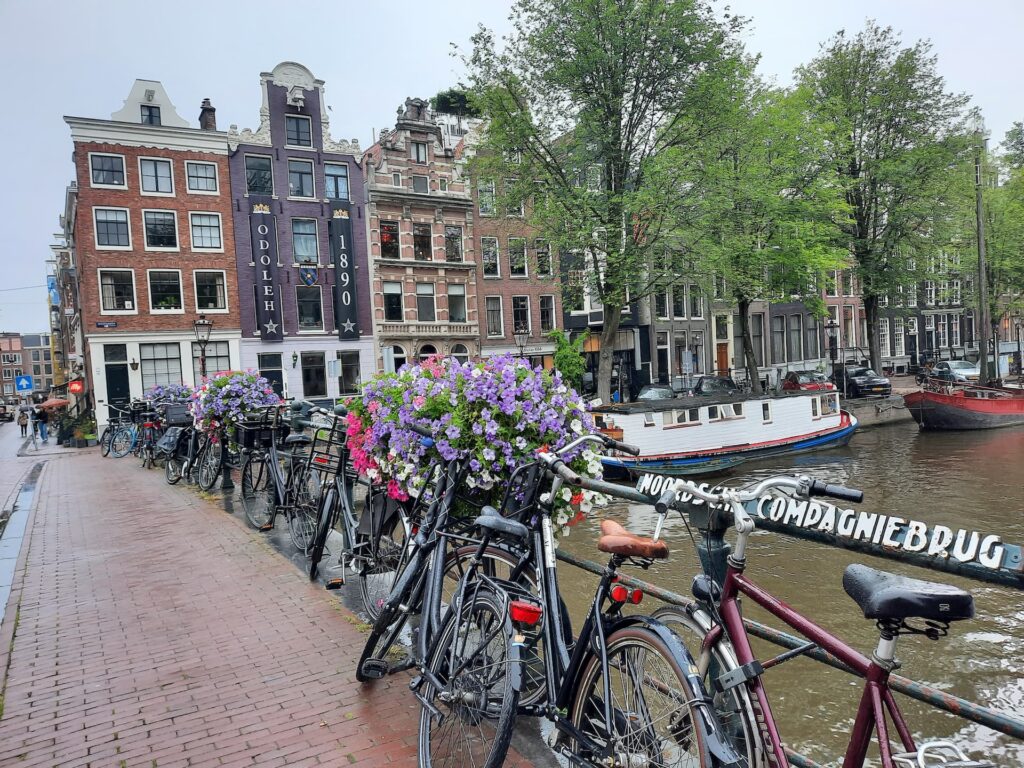
If Dam Square is the “official” Amsterdam, the Nine Streets are where the city actually lives. The neighborhood sits in the heart of the UNESCO canal belt, nestled between the four main waterways: Singel, Herengracht, Keizersgracht, and Prinsengracht—literally right behind the Royal Palace.
The name wasn’t coined in the 17th century, but relatively recently. In the 1990s, local entrepreneurs united under the De 9 Straatjes brand to promote the area as a cohesive walking district. Since then, it has become one of the city’s most recognizable spots, praised by The New York Times, National Geographic, and Lonely Planet.
The layout: nine narrow alleys—Reestraat, Hartenstraat, Gasthuismolensteeg, Berenstraat, Wolvenstraat, Oude Spiegelstraat, Runstraat, Huidenstraat, and Wijde Heisteeg—connect the four canals to each other. The architecture mostly dates back to the late Golden Age, making the entire quarter essentially an open-air museum of Dutch design.
You won’t find big global brands or malls here; instead, the density of local business is unmatched. What to look out for while wandering:
Independent designer shopping. Over 250 small shops ranging from vintage boutiques (like Laura Dols, specializing in 1950s clothing) to artisan jewelry, leather accessories, bookshops, and record stores.
De Kaaskamer. A floor-to-ceiling cheese shop stocking over 400 local varieties.
Canal house museums. Check out Huis Marseille, a photography gallery set inside a stunning former French merchant’s home.
Cafes and restaurants. By day, people sip coffee in closet-sized spots; by evening, the area transforms into a vibrant dining hub, serving everything from Italian to classic farm-to-table Dutch cuisine.
The best approach is to stroll without a strict route—just turn down any of the nine streets and trust the storefronts. Additionally, the architecture of the Nine Streets is perfectly viewed during a canal cruise, as the facades unfold beautifully in a continuous waterfront perspective rather than one house at a time.
How to get there: A 20-minute walk from Centraal Station (via Sint Nicolaasstraat, Singel, and Raadhuisstraat), or a 15-minute ride on tram 13 or 17 to the Westermarkt stop.
4. The Red Light District (De Wallen)
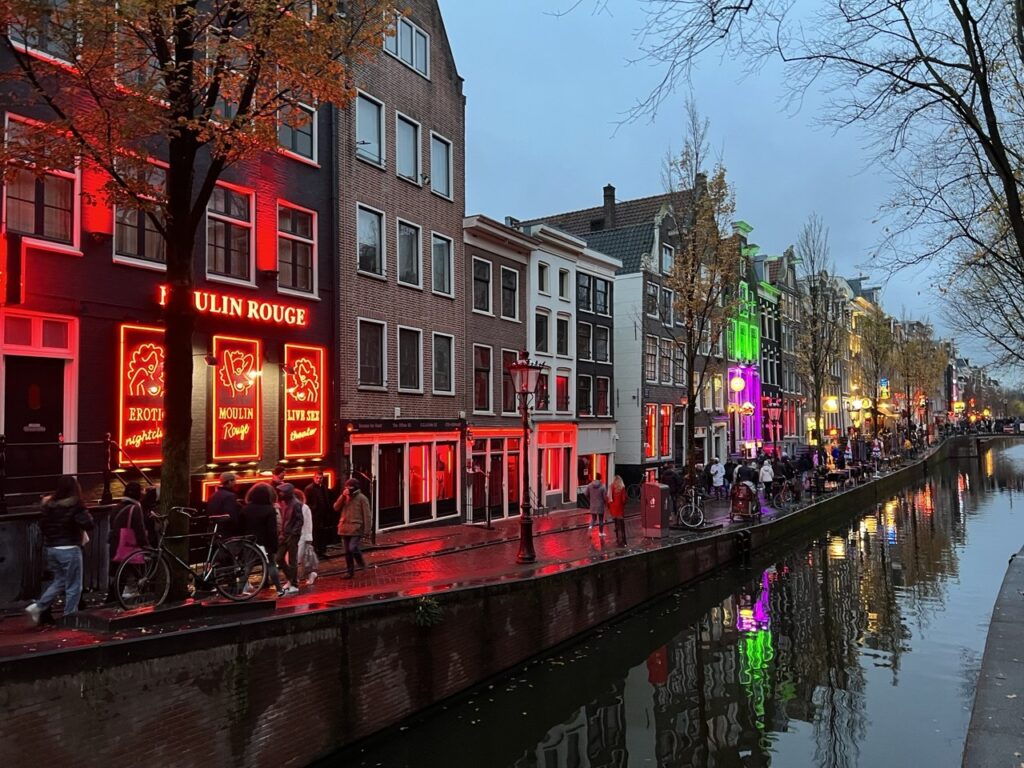
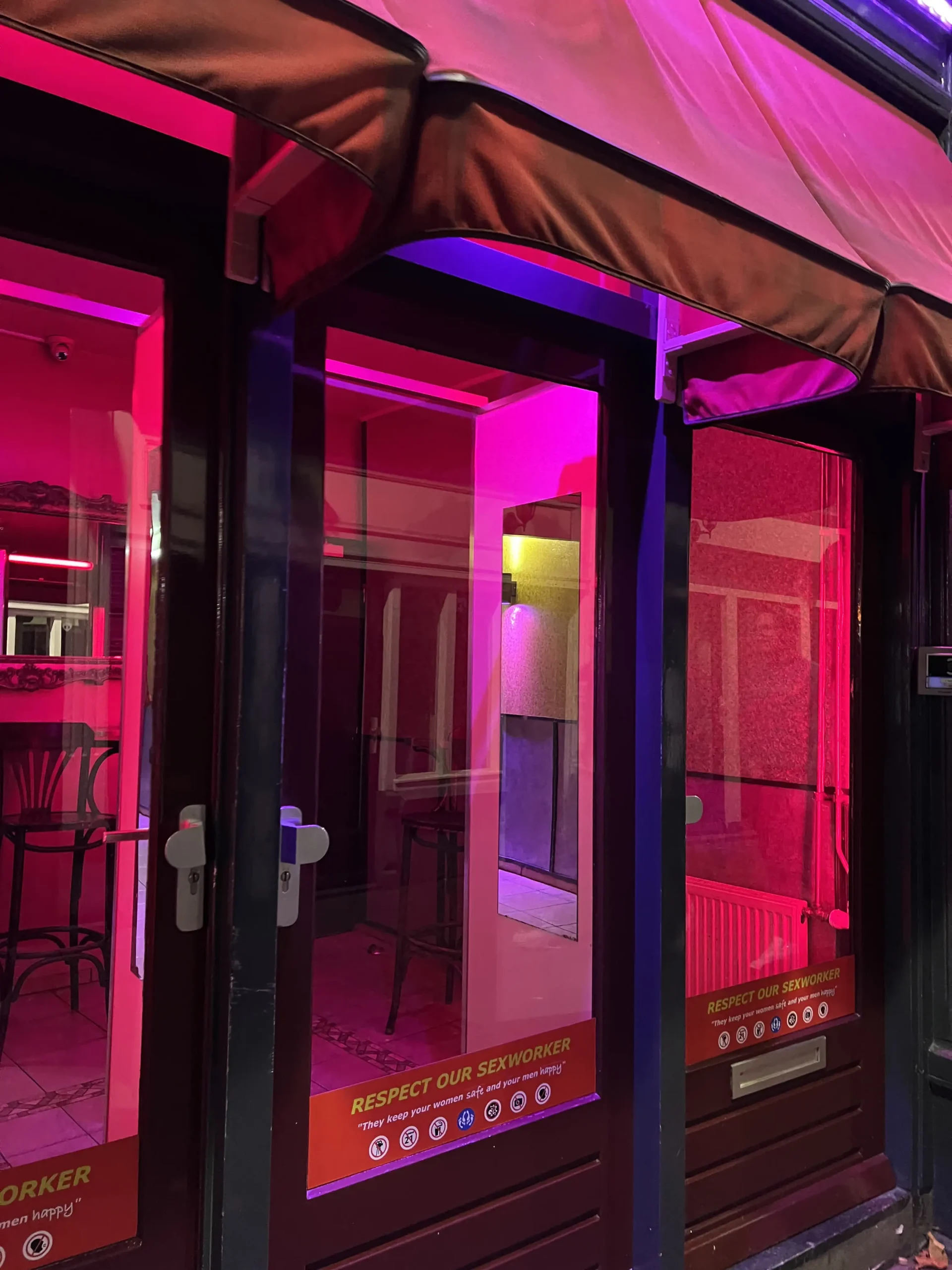
De Wallen is the city’s most discussed and least understood neighborhood. Yes, the windows with sex workers are here, but the quarter is also one of Amsterdam’s oldest historical centers: narrow medieval streets, the oldest church in the city (Oude Kerk, dating to 1213), and beautiful facades along the Oudezijds Voorburgwal canal.
I bring guests here during the day, not at night. Instead of leaning into clichés, we discuss the real history of the area: how it evolved into a 17th-century sailors’ port, why legalization happened specifically in the Netherlands, and how the city is currently trying to balance tourism with local life. This is one of the few districts that only truly makes sense with a guide—solo tourists just see the windows; with a guide, you get the context.
If you are specifically looking for the after-dark atmosphere, I also offer a dedicated Amsterdam Red Light District Tour 18+.
5. Amsterdam Museums: What to Choose When Time is Short
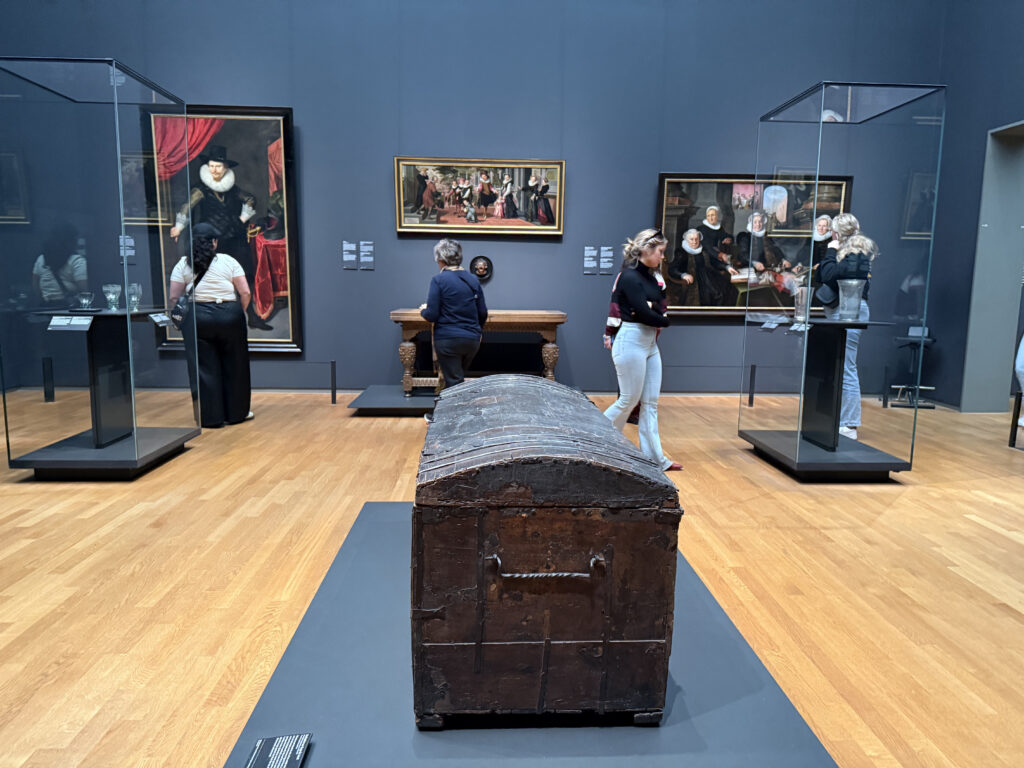
Amsterdam is one of the most museum-dense cities in Europe, packing over 50 museums into a relatively small area. Here is a breakdown so you don’t have to choose blindly:
Rijksmuseum: The country’s premier art museum and one of the most important globally. It houses Rembrandt’s The Night Watch—a piece worth traveling to Amsterdam just to see. You’ll also find Vermeer’s The Milkmaid, the largest Golden Age collection, Delft porcelain, and incredibly detailed 17th-century dollhouses (actual works of art, not children’s toys). Budget at least 2 to 2.5 hours.
Van Gogh Museum: The world’s largest collection of his work, located on Museumplein right next to the Rijksmuseum. Tickets are sold in specific time slots and sell out weeks in advance during high season.
Stedelijk Museum: Also on Museumplein, but diving into a completely different era: modernism and contemporary art, from Malevich to Mondrian.
Anne Frank House: Located away from the museum quarter, right on the Prinsengracht canal. You must book tickets online several weeks in advance—walk-up queues essentially do not exist, as all sales go through their website.
Heineken Experience: Set in the former Heineken brewery, this interactive brand history museum ends with a tasting. It’s an excellent pivot if your group is tired of classical art and prefers a “museum + beer” format.
The Strategy for a 1-Day Trip: The Rijksmuseum is mandatory if you want to understand Dutch art and Golden Age history. Choose Van Gogh only if you are traveling specifically for him. Include the Anne Frank House in your itinerary only if you secured tickets in advance; spontaneous entry is practically impossible.
Practical advice: Book your Rijksmuseum and Van Gogh tickets online well in advance—during peak season, walk-up queues can take over an hour. Museumplein itself is also famous for the iconic “I amsterdam” sign (formally removed from the square, but the location remains a cult spot for photos).
6. A’DAM Lookout: City Views from Europe’s Highest Swing
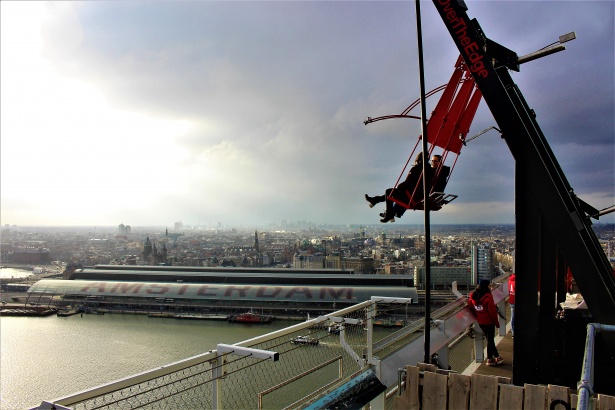
On the north bank of the River IJ, housed in the former Shell television tower, is the A’DAM Lookout observation deck. It offers the absolute best panorama of the city—from the top, you can see the historic canal center, the working port, and the modern architecture of IJburg. For adrenaline seekers, it features Europe’s highest swing, launching you over the roof’s edge at over 100 meters high.
Getting there is easy: the free ferry from Centraal Station takes just a couple of minutes. It’s a fantastic spot to end your day, especially at sunset.
7. The Jewish Quarter (Jodenbuurt)
Before WWII, the Jodenbuurt was home to Western Europe’s largest Jewish community. Today, the most vital monuments of this history are concentrated here.
An important note from a guide: Logically, many tourists assume the Anne Frank House is here. In reality, the famous annex is located in a completely different part of town—on the Prinsengracht canal, bordering the Jordaan district. It is not in the Jewish Quarter.
Wandering the Jodenbuurt independently provides very little context, so you should focus on these specific locations:
The Portuguese Synagogue: A massive 17th-century complex. The interior strictly refuses electricity to this day, illuminating the vast space entirely with hundreds of candles, exactly as it was 400 years ago.
The Jewish Museum (Joods Museum): Spanning four interconnected former synagogues, it explores the religion, culture, and daily life of Dutch Jews through personal artifacts, letters, and photographs.
National Holocaust Museum: Located in a former teachers’ college. During the occupation, resistance members secretly smuggled hundreds of Jewish children to safety through this college and a neighboring daycare. The exhibition is heavy, but it is an essential piece of Amsterdam’s history that shouldn’t be skipped.
This is one of the most emotionally powerful areas in the city. I usually dedicate a specific segment to it during overview walks, or cover it in a comprehensive Jewish Quarter Tour in Amsterdam to provide the historical depth that a self-guided stroll rarely offers.
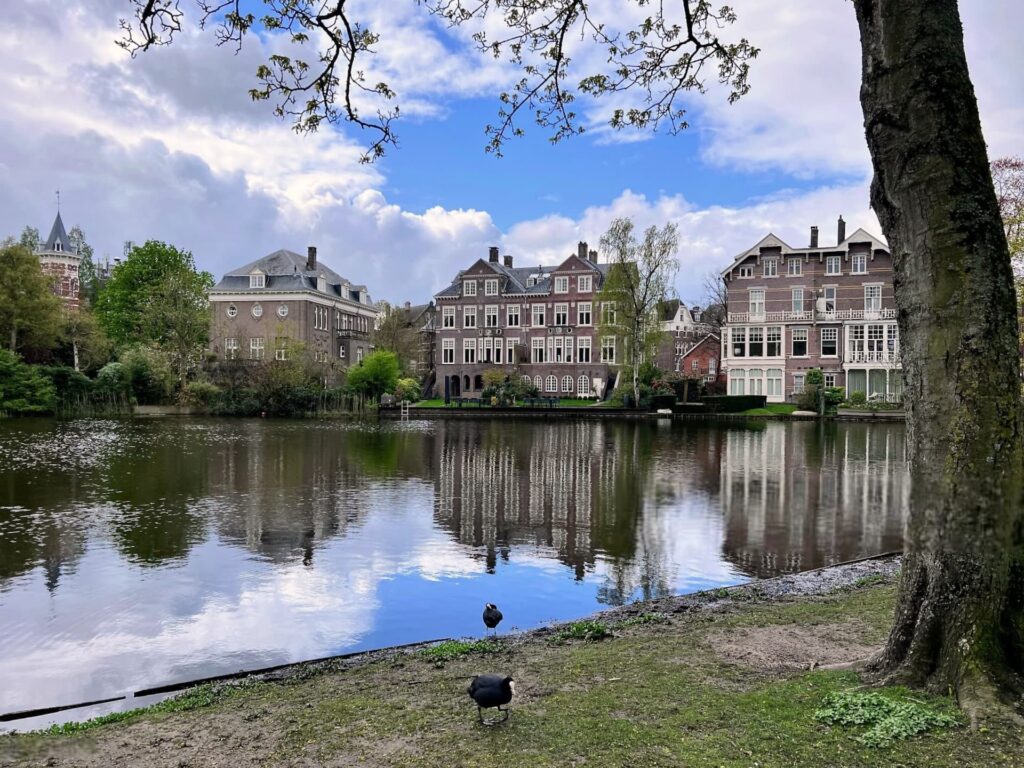
8. Vondelpark
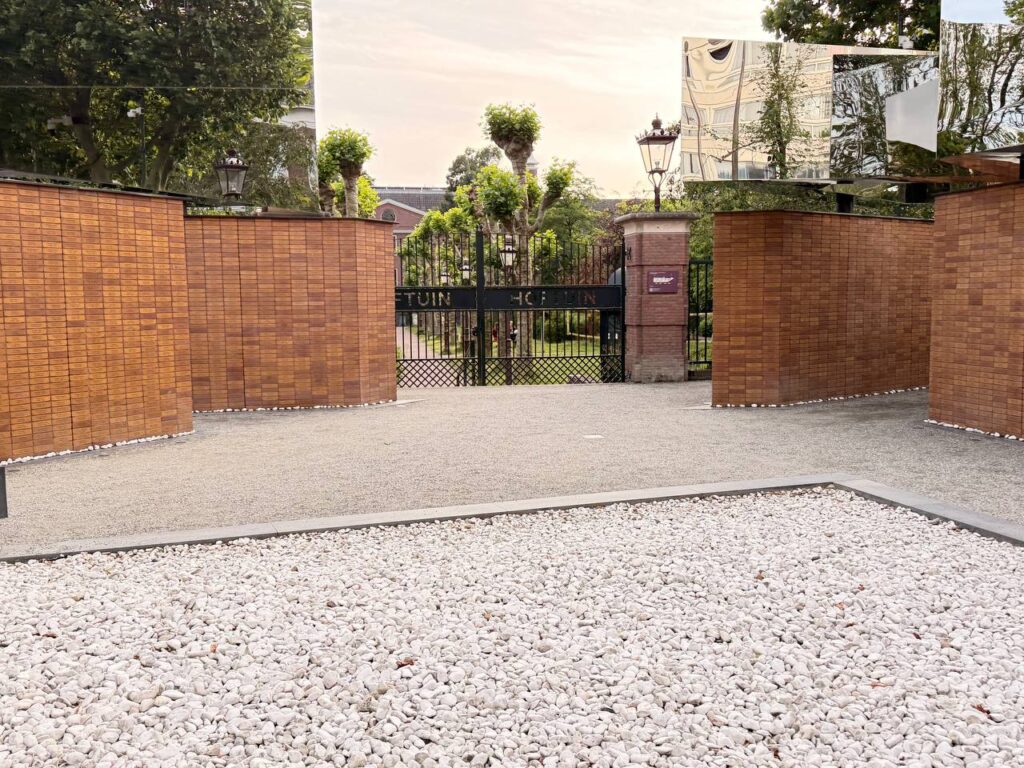
Vondelpark is the city’s main park and the place where Amsterdam unplugs from heavy traffic. Named after the poet Joost van den Vondel, the park is designed in the English landscape style with winding paths, ponds, and ancient trees.
In the summer, locals host picnics, do grass-roots yoga, and listen to street musicians. It’s a pleasant contrast to the dense layout of the center, and a brilliant spot to pause with a takeaway coffee in the late afternoon.
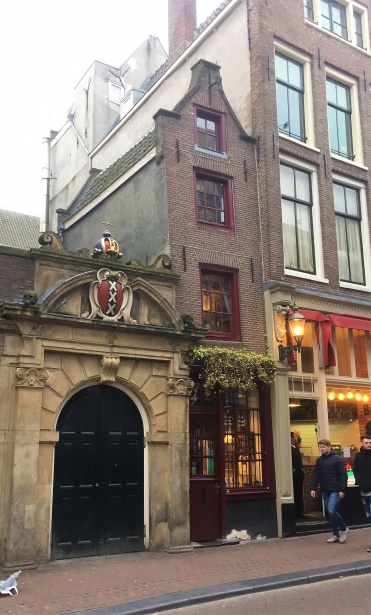
9. The Smallest House in Amsterdam
This is a slightly secret spot that I always add to the route for returning visitors or those who want to see what 95% of tourists genuinely overlook. Located at Oude Hoogstraat 22, this is officially recognized as the smallest house in Amsterdam: the facade is just 2.02 meters wide, and it runs only 5 meters deep. Designated as a national monument, it sits just steps away from the East India House and the Walloon Church gates, designed by architect Hendrick de Keyser.
People often mistakenly point to Singel 7 as the “smallest house,” but that building is only narrow at the facade (1.05 meters), while the interior widens out to 3 meters. Oude Hoogstraat 22, by contrast, is tiny all the way through, making it the true record holder.
Both houses perfectly illustrate the golden rule of 17th-century real estate: property taxes were based on the width of the canal frontage, prompting wealthy merchants to build homes that were narrow on the outside and spacious on the inside.
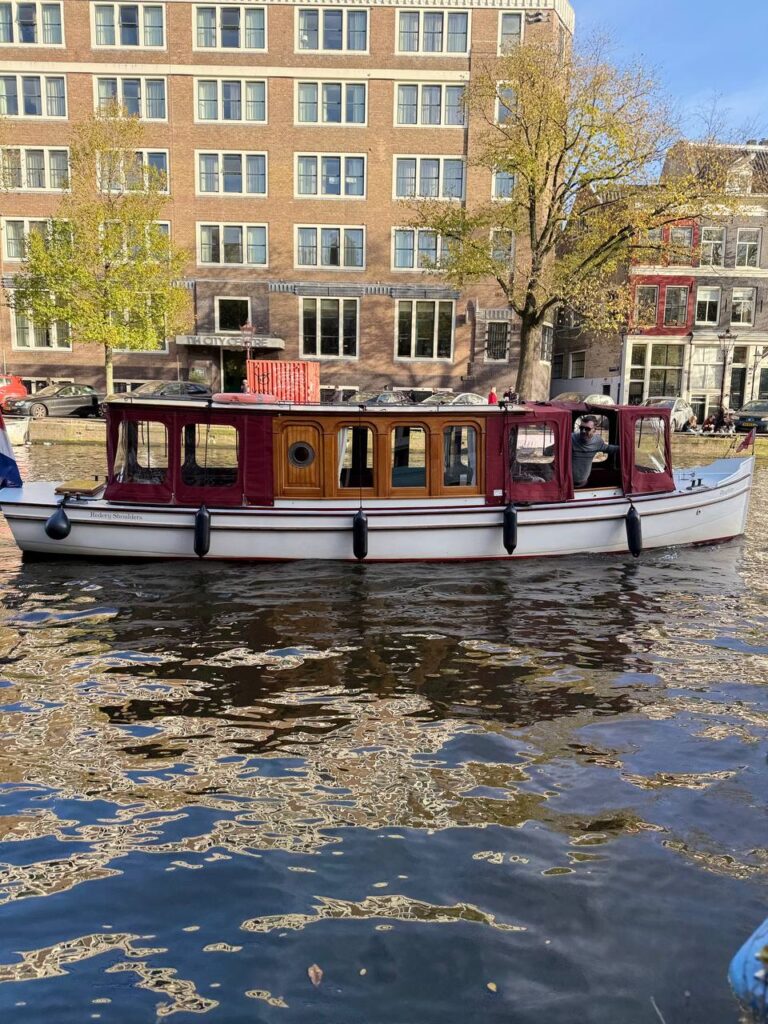
10. The Canal Cruise: You Can’t Understand Amsterdam Without It
An honest recommendation from a local guide: half of the city’s architecture is simply impossible to see from land. Amsterdam’s canals are a UNESCO World Heritage site, and the most luxurious facades, hidden bridges, and rear gardens all face the water.
I run a custom route along the so-called “golden ring” of the canals, sharing personal stories about each house rather than relying on a memorized audio track. Unlike the massive 100-person glass-top tourist boats, my Private Boat Tour in Amsterdam with a Local Guide is exactly that—private. It’s just your group and an English-speaking guide-captain, offering a flexible route with the ability to pause wherever a detail catches your eye.
If you want to combine the streets and the water in a single day, the optimal strategy is: a morning walking tour (Dam Square, Nine Streets, House with the Heads), followed by an afternoon canal cruise to see the exact same city from a completely different perspective.
11. Dutch Herring: A Gastronomic Must
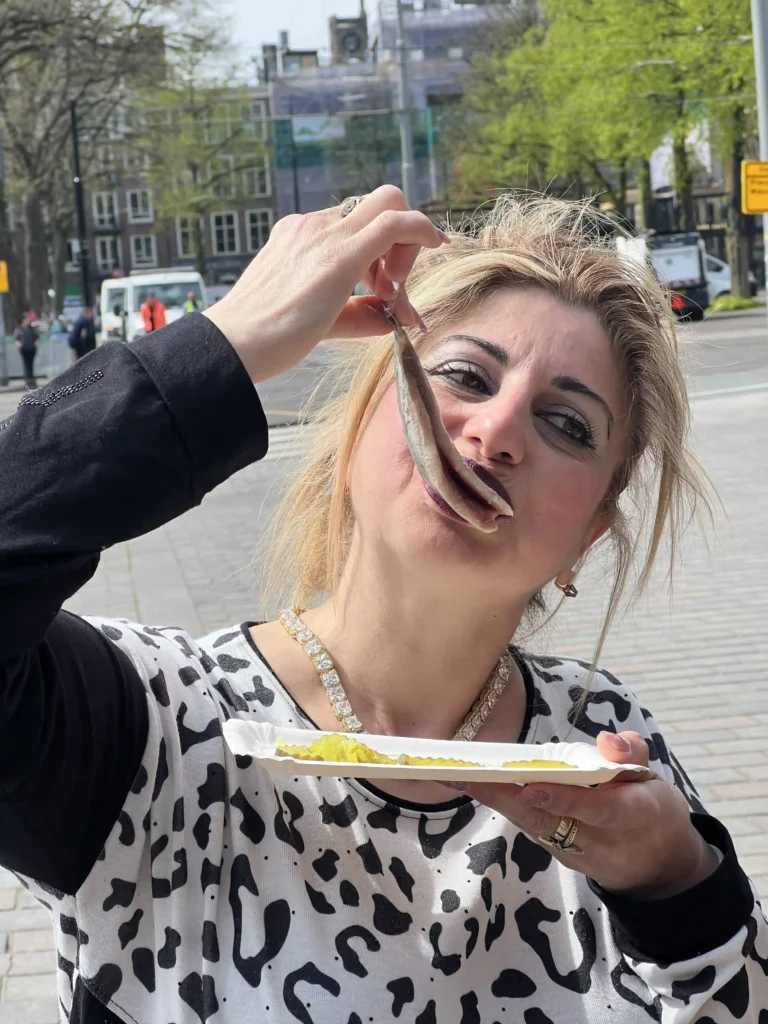
Haring is the culinary symbol of Amsterdam. It is raw, lightly brined herring that locals eat right on the street. The traditional method is holding it by the tail and throwing your head back, or eating it inside a soft bun topped with chopped onions and pickles.
The tradition of eating herring from street stalls has been alive for centuries, with the real hype hitting late May through June during the “Hollandse Nieuwe” (new catch) season. Herring carts are scattered all over the center. A great place to try it for the first time is usually near the major markets or canals, but I always route my guests toward trusted local vendors rather than the first tourist stall in sight.
12. Putting It All Together: The 1- and 2-Day Routes
To keep the city from blurring into an exhausting marathon, alternate your walking, museum visits, and downtime on the water.
If you only have one day: Morning: Dam Square → House with the Heads → The Nine Streets → Lunch with local herring → Rijksmuseum (2 hours) → Late afternoon Canal Cruise → Sunset at A’DAM Lookout.
If you have two days:
Day 1: Historic Center on foot (Dam Square, canals, Nine Streets, daytime Red Light District, the Smallest House) + Evening Canal Cruise.
Day 2: Museum focus (Rijksmuseum or Van Gogh) → Vondelpark for a coffee break → Jewish Quarter and Anne Frank House in the afternoon → A’DAM Lookout.
The logic is straightforward: “read” the city on foot first, then take it in from the water.
Want to bypass the GPS navigation and the hassle entirely? This is exactly why I design private walking tours and custom canal cruises—paced to your group, built around your interests, with zero rushing and no strangers in your group.

Frequently Asked Questions (FAQ)
How many days do I need to see the highlights of Amsterdam?
One full day is enough to hit the primary locations, but to experience the city without rushing, visit the museums, and enjoy a boat ride, you should budget 2 to 3 days.
What are the best free things to do in Amsterdam?
Dam Square, the Nine Streets, walking the canal belt, Vondelpark, the Red Light District during daylight, and the Smallest House are all completely free.
Do I need a tour guide for Amsterdam?
You can absolutely walk the center independently. However, the context—why the houses lean, what the bas-reliefs on the facades mean, and how the neighborhoods evolved—only unfolds with someone who knows the city inside out. This is why most of my guests book a guide for their first day, and then confidently explore on their own once they know what they are looking at.
What local food is a must-try?
Dutch herring (haring), aged cheese snacks, warm stroopwafels, and, of course, local craft beer in one of the city’s historic breweries.
Explore Amsterdam with a Local Guide
If you want to see Amsterdam beyond the recycled internet photos and hear the real stories from someone who has lived here for 9 years and hosted over 1,700 tours, message me on WhatsApp: +31 619 780 754.
Tatiana, your private guide in the Netherlands & Belgium 🌷
Tours in Amsterdam
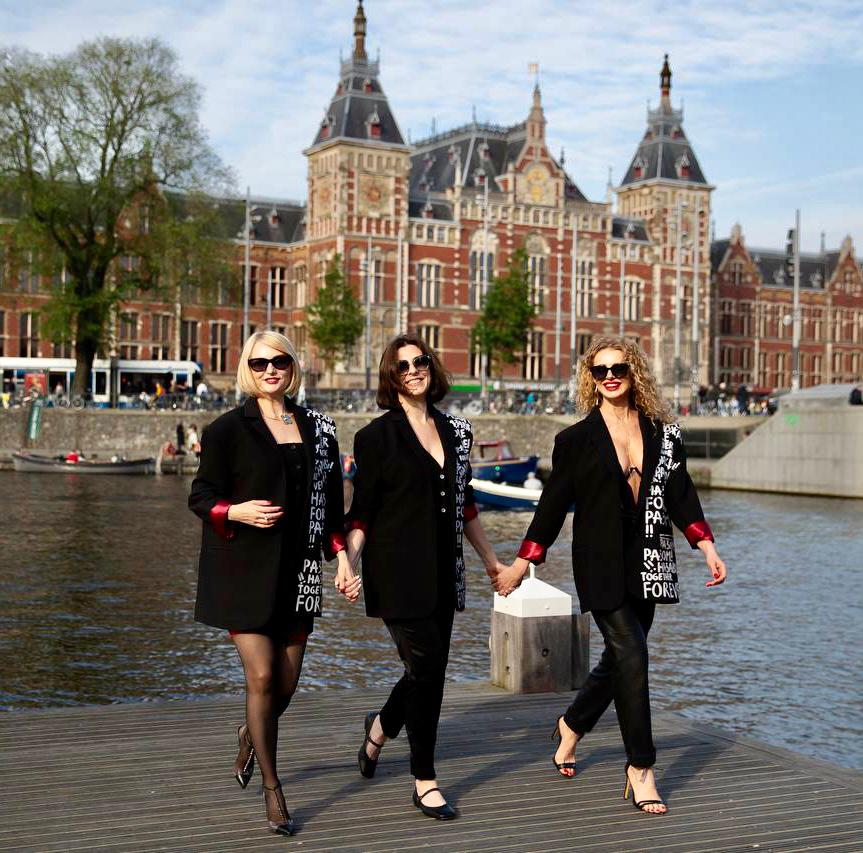
Private Author's Walking Tour of Amsterdam
Private Tour (2 hours) | 17th-Century Canals and the Jordan District | Courtyards Hidden from the Crowds
€ 160
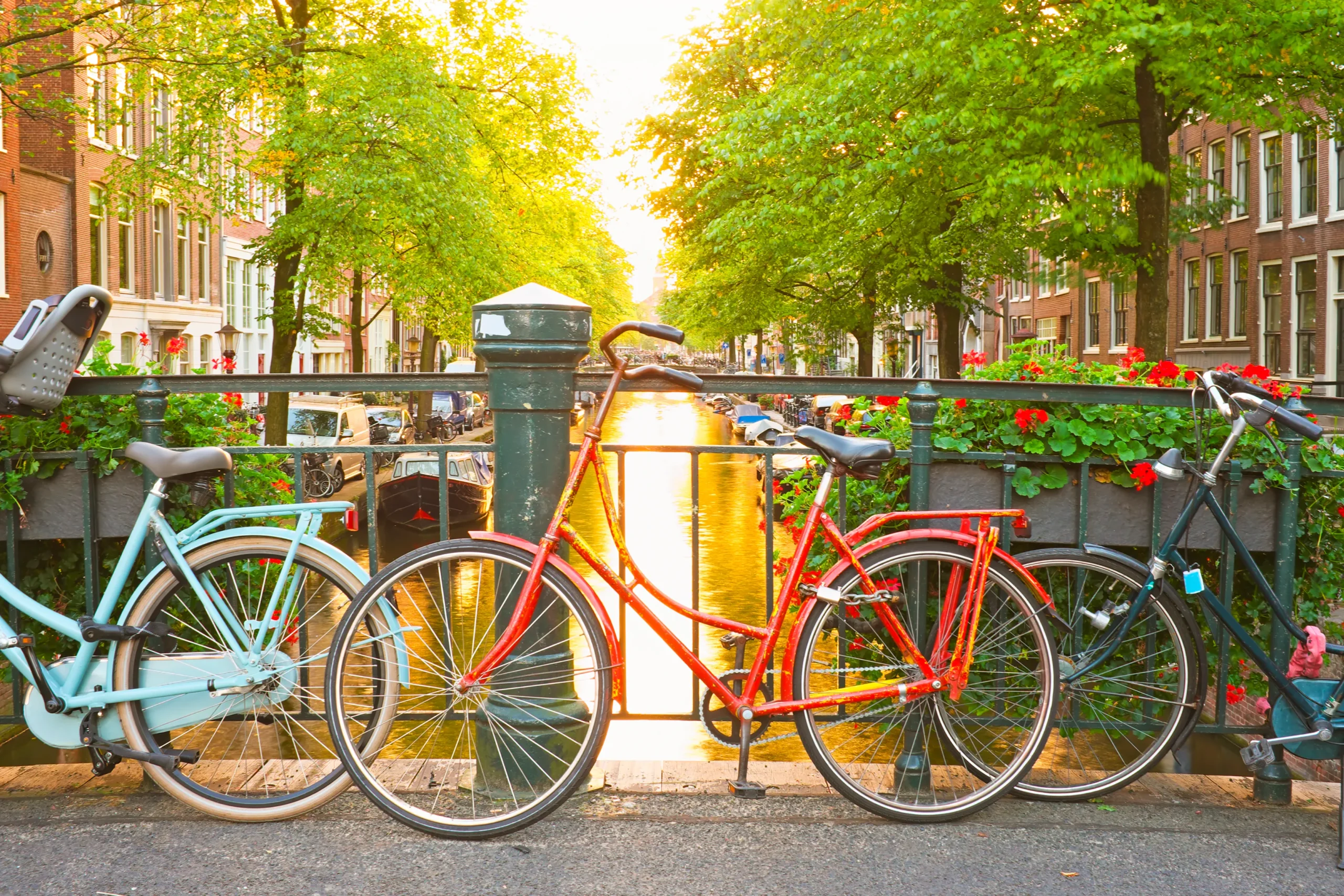
Amsterdam Private Bike Tour
You can't miss the chance to explore the world's cycling capital on two wheels. Renting a bike is incredibly easy—you just need to be a confident rider.
€ 180
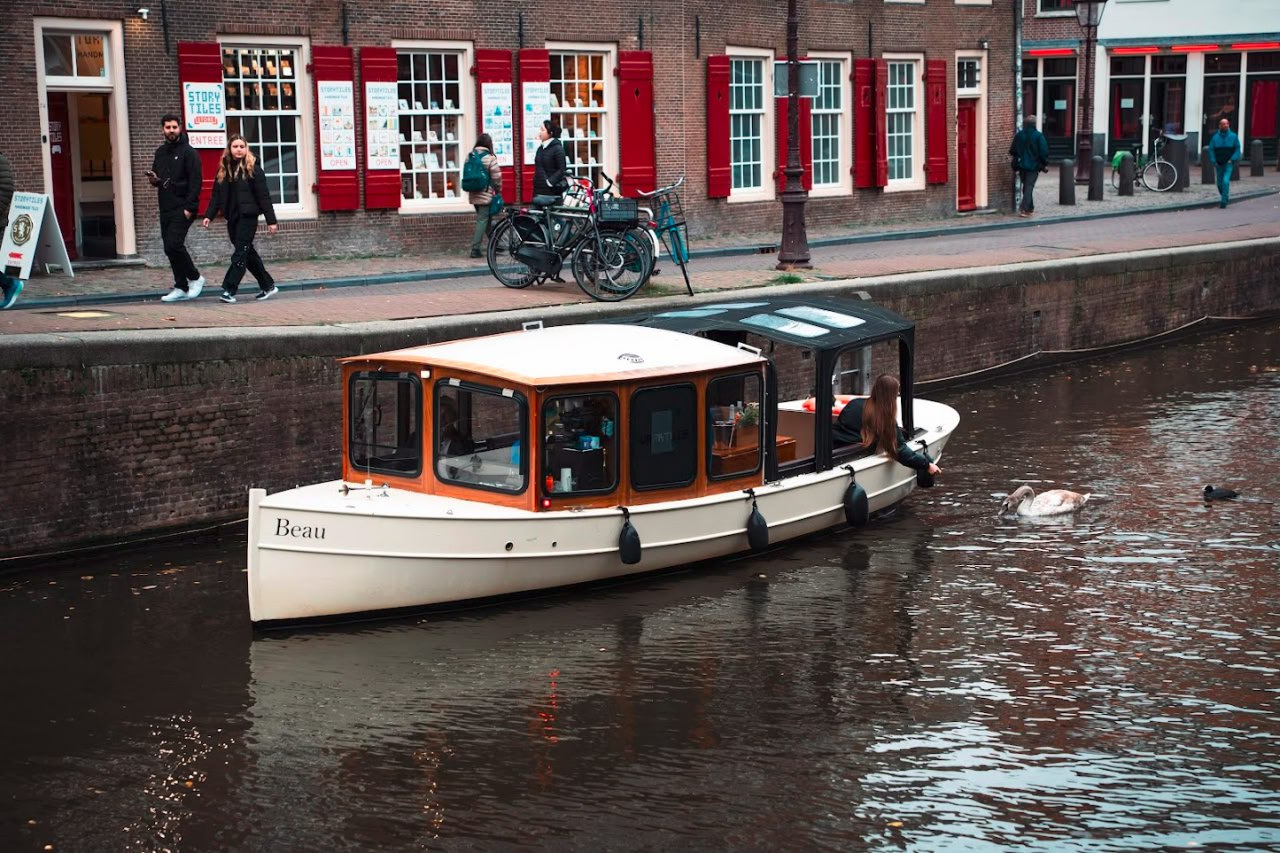
Amsterdam Combo Tour: Private Walking Tour and Canal Cruise
A 3.5-hour private walking tour of the historic center combined with an Amsterdam canal cruise. An exclusive experience with a private guide.
€ 500
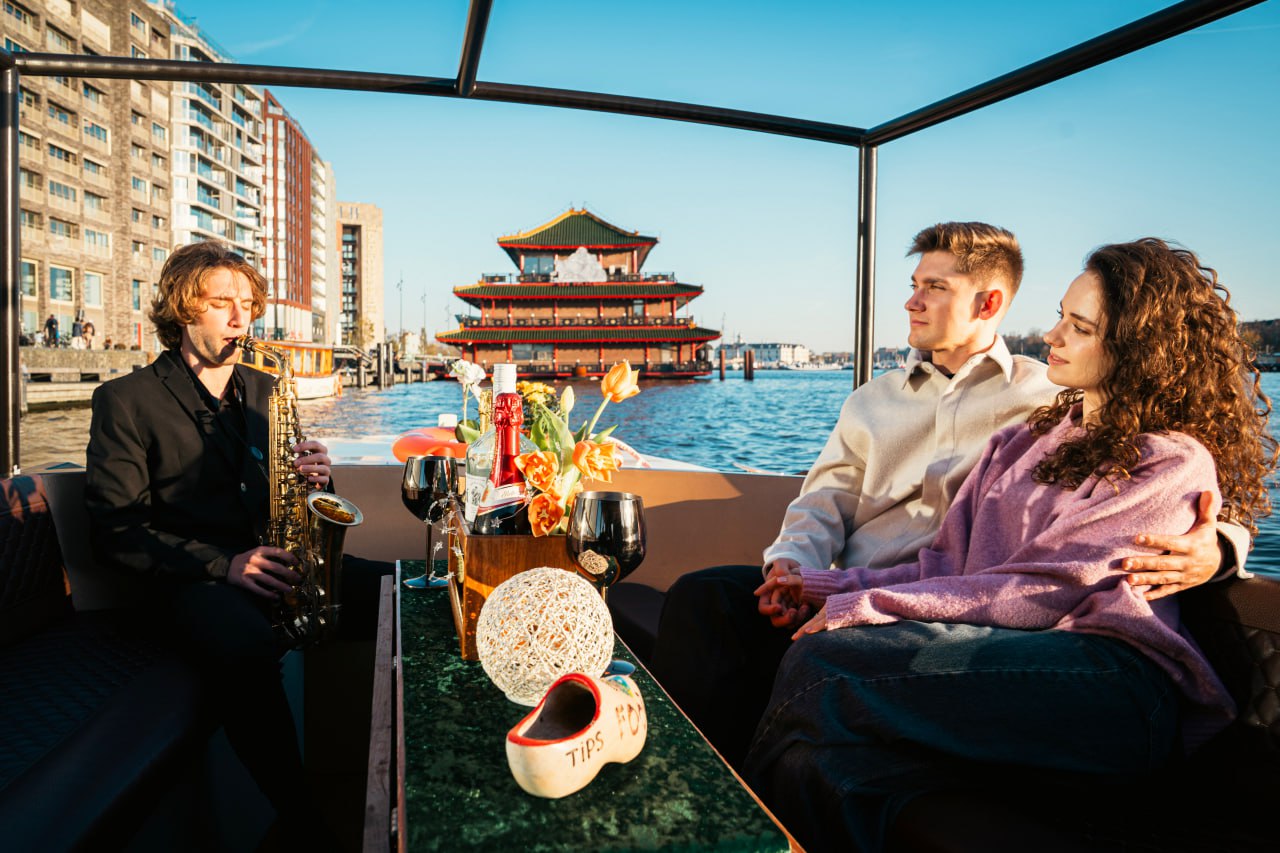
Private Boat Tour in Amsterdam with a Local Guide
Amsterdam is best seen from the water, just as locals have done for centuries. Discover the city’s iconic landmarks from a fresh, new perspective. Join me for an unforgettable private canal cruise!
€ 370
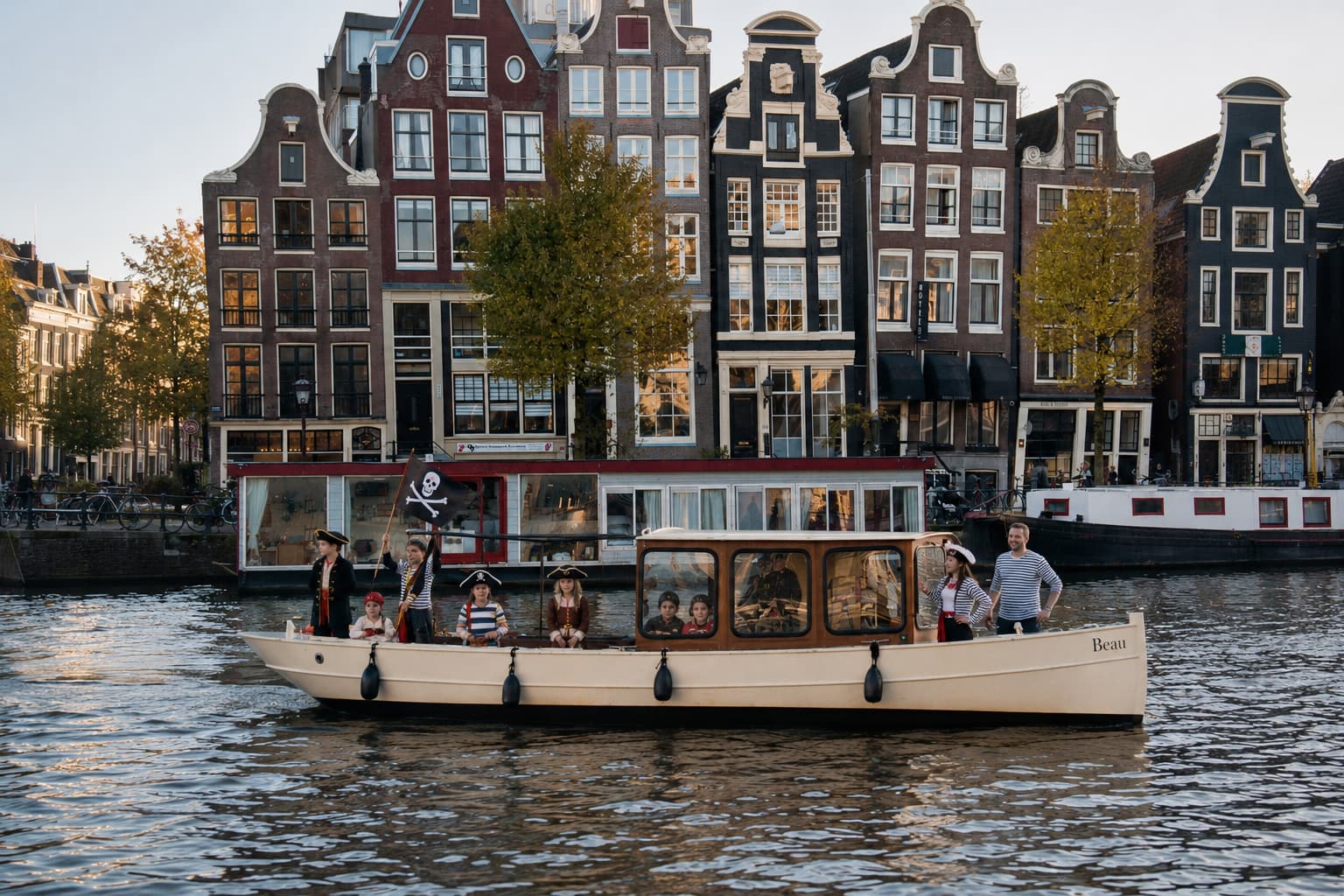
Amsterdam Canal Cruise with Kids: A Pirate Adventure
A 1.5-hour private boat trip tailored for families. Kids enjoy historic sailor stories while parents relax and take in the city views from the water.
€ 370
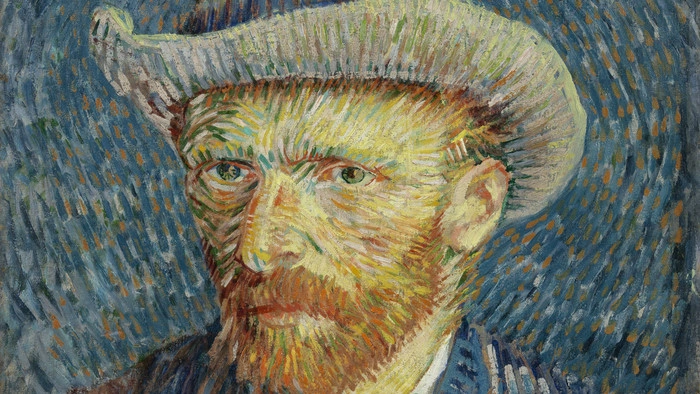
Van Gogh Museum Tour in Amsterdam
Discover the real Van Gogh and the hidden meanings of his masterpieces. A guided walk through the world's largest collection without boring lectures.
€ 200
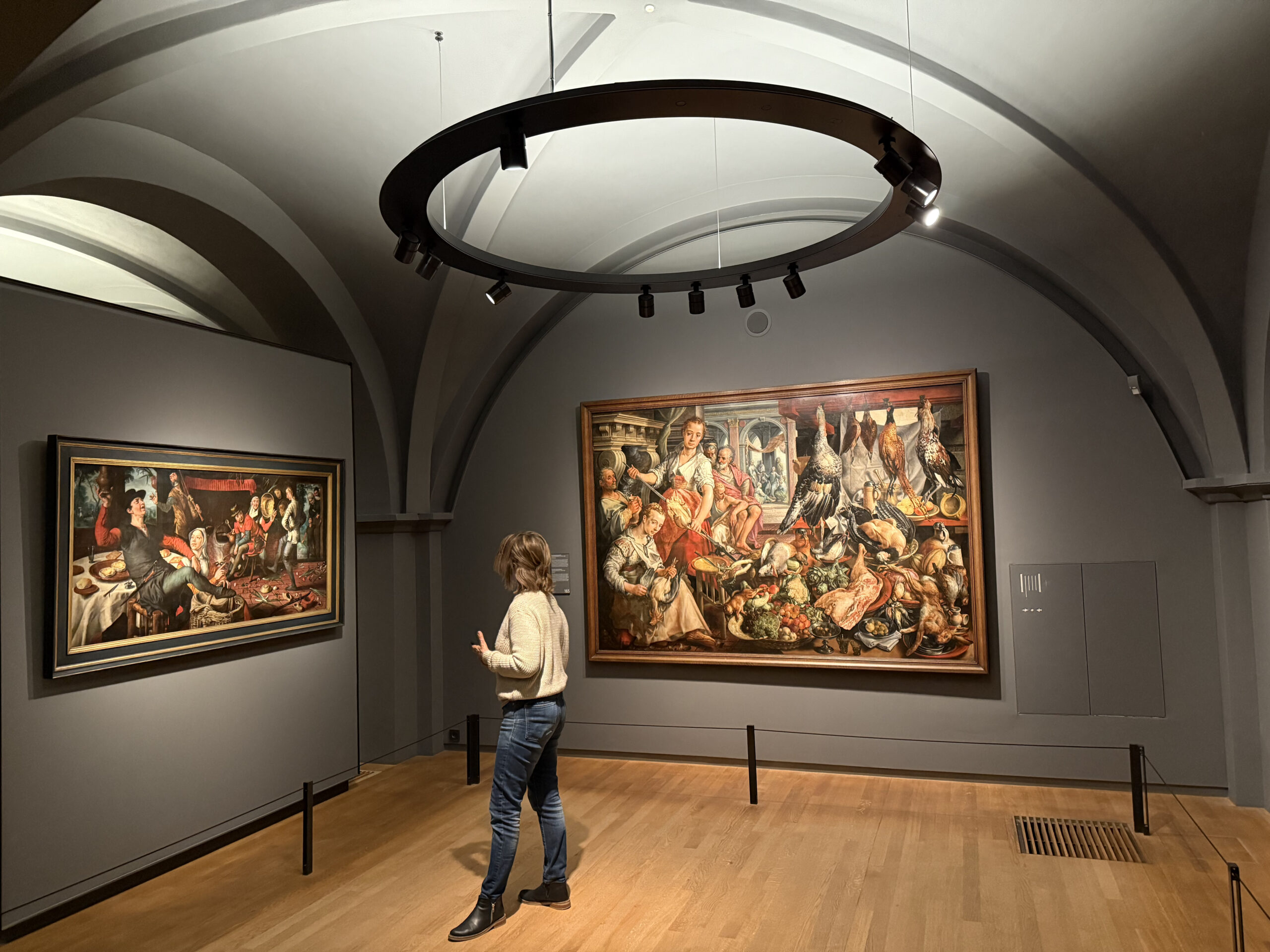
Private Rijksmuseum Tour in Amsterdam with a Guide
A private tour of the Rijksmuseum: we’ll uncover the nuances that often go unnoticed during a standard visit. Experience the living history of the Netherlands through the masterpieces of Rembrandt and Vermeer. Just you and your loved ones
€ 200
Jewish Quarter Tour in Amsterdam
Explore the historic Jewish Quarter of Amsterdam. Walk the streets of Rembrandt and Spinoza, and uncover the real history of the diamond trade.
€ 200
Amsterdam Red Light District Tour 18+
A private tour of Amsterdam's famous De Wallen neighborhood for adults only. An exclusive evening experience with a local expert.
€ 165