
Back to blog
23.04.2026Luxembourg Day Trip from Belgium: Private Car Tour with Guide, Dinant, Namur & the Grand Duchy in One Unforgettable Day
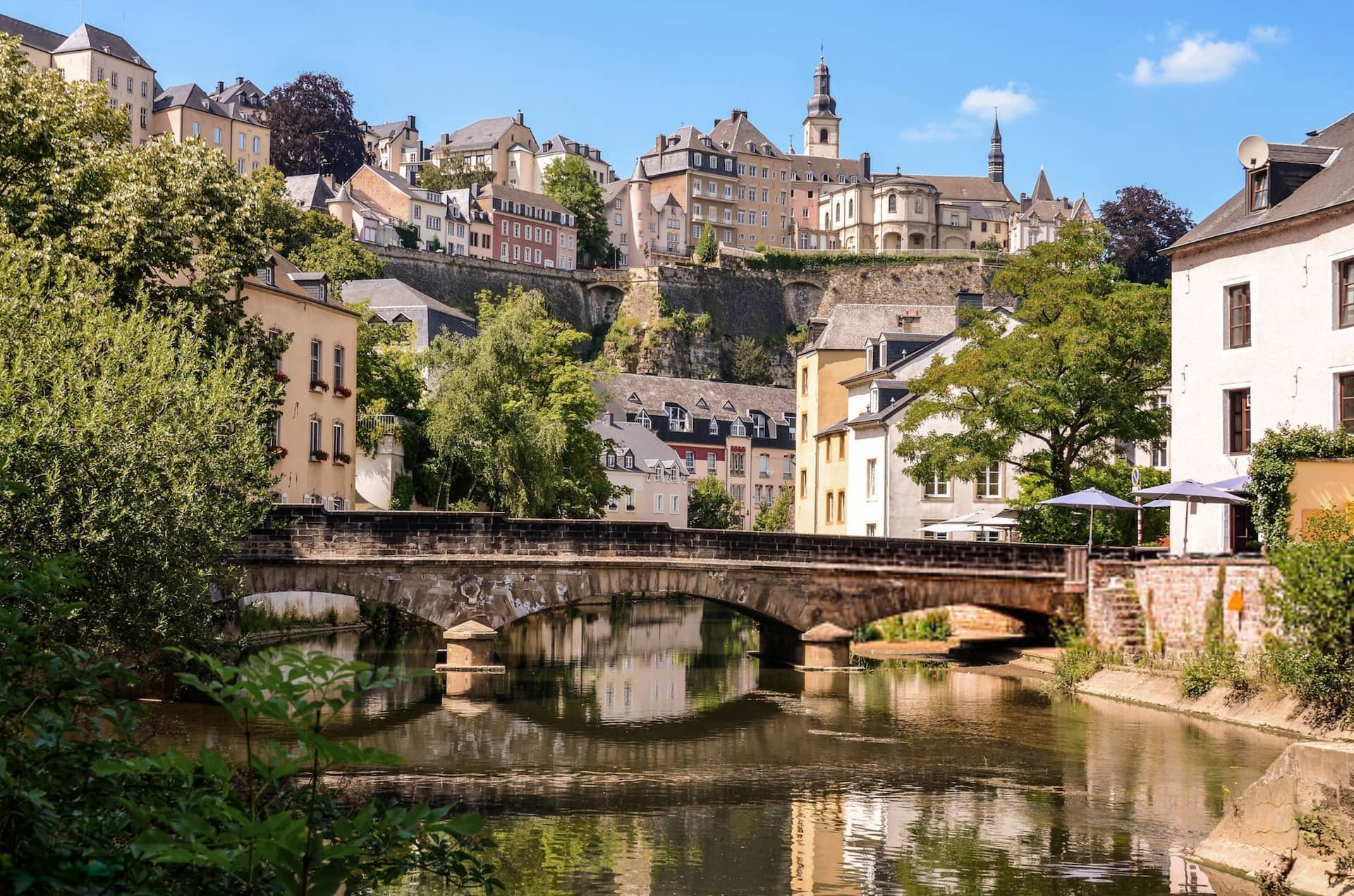
Wondering how to combine Belgium, the Netherlands and Luxembourg in one trip? Private guide Tatyana shows you the dream route: the Meuse Valley gorges, medieval Namur, fairytale Dinant — and as the crown jewel — the Grand Duchy of Luxembourg.
When my clients ask me: “Tatyana, is it really possible to see both Belgium and Luxembourg in one trip — without spending the whole day driving?” — I smile. Because this is precisely the itinerary I consider one of the most beautiful in my entire portfolio. It combines the luxury of sweeping natural landscapes, the depth of centuries of history, exceptional gastronomy, and the authentic atmosphere of high-end European travel — all at a relaxed pace, in a private car, with a guide who knows every bend of this road.
My name is Tatyana, and I am a licensed private guide to the Netherlands and Belgium with over 1,700 individual tours to my name. Today I want to share with you an itinerary that wins hearts at first sight: Belgium — Dinant — Namur — Luxembourg.
Why Luxembourg Deserves Its Own Journey — and How to Get There from Belgium
Luxembourg is one of the smallest and simultaneously one of the wealthiest countries in the world. It is not merely a dot on the map of Europe — it is a legendary state where medieval ramparts sit beside the offices of multinational corporations, and narrow cobblestone streets lead to Michelin-starred restaurants. Today, Luxembourg is increasingly appearing on the itineraries of luxury and premium travellers — and for excellent reason.
From Brussels to the capital of the Grand Duchy is approximately 220 km — roughly 2 hours by car. This is precisely why Luxembourg fits so naturally into an extended Belgian itinerary: we leave early in the morning from Brussels or Antwerp, make two magnificent stops along the way, and by midday we are already standing on the Bock Casemates viewpoint, looking out over the breathtaking gorges of Luxembourg City.
You could, of course, do this on your own. But trust me: with a personal guide in a comfortable private car, it is a completely different level of experience. No parking stress, no language barriers, no wondering “where do we go next?” Just pure travel pleasure.
The Route: Dinant — The Pearl of the Meuse Valley
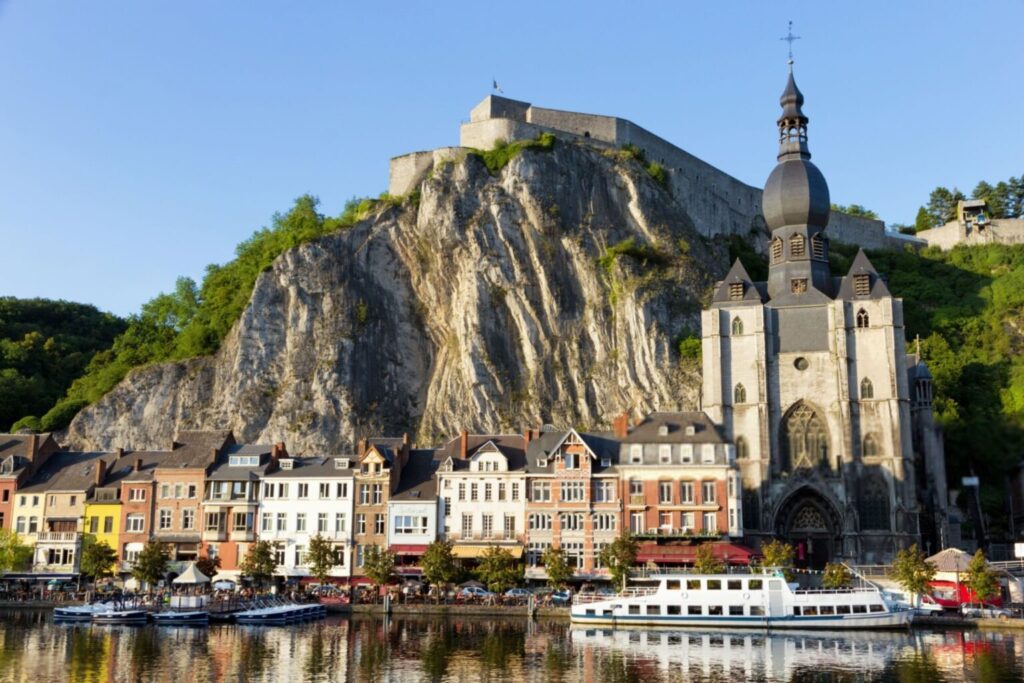
The first stop on the way to Luxembourg is Dinant. This small Walloon town on the banks of the Meuse is one I hold with particular affection. It looks like a fairy-tale backdrop: sheer limestone cliffs plunge vertically into the river, a medieval citadel presides over the town, and along the riverfront, a row of brightly painted houses — blue, yellow, red — creates one of the most photographed skylines in Belgium.
What to see in Dinant:
The Citadel of Dinant — an 11th-century fortress literally suspended above the town at 100 metres above the river. You can reach it by cable car or on foot — the view from the top is spectacular, especially in the early morning when the mist has not yet lifted.
Collegiate Church of Notre-Dame — a Gothic cathedral from the 13th–15th centuries with its distinctive onion-shaped belfry, which has become the symbol of Dinant.
Charles de Gaulle Bridge — the picture-perfect vantage point over the entire town: cliff, citadel, church, and waterfront all in a single frame.
Birthplace of Adolphe Sax — yes, the inventor of the saxophone was born right here in Dinant. The town is deeply proud of this: saxophones are everywhere, adorning building facades and shop fronts throughout the streets.
I typically allow at least an hour and a half in Dinant. Enough to absorb the spirit of the town — and still leave time for everything ahead.
Namur — The Capital of Wallonia and an Unexpected Gem
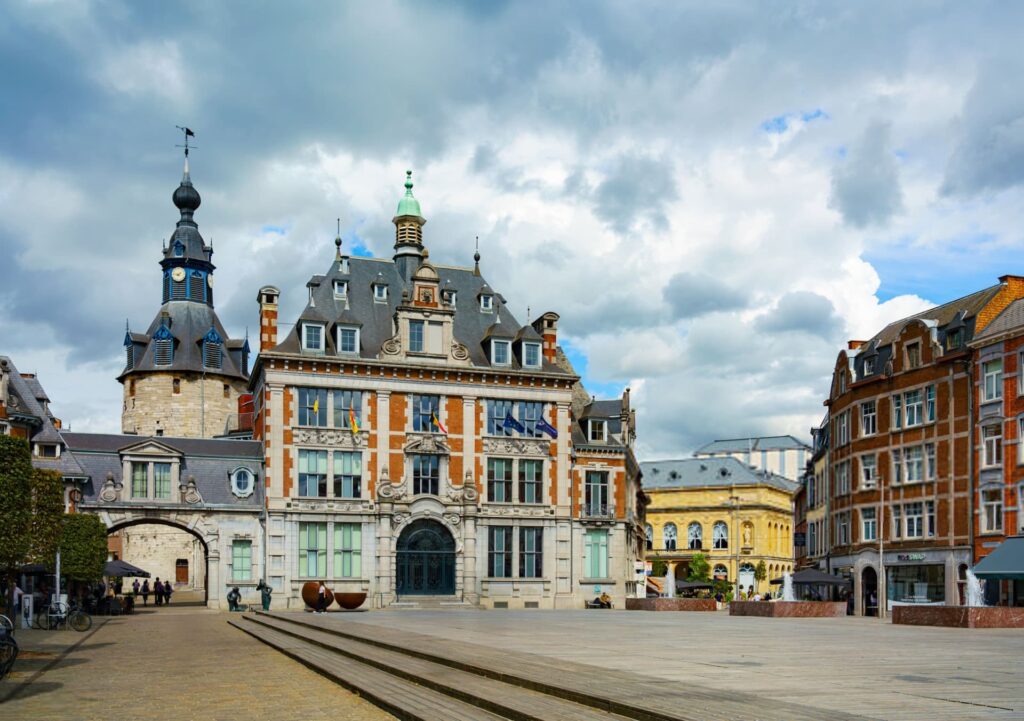
Namur is the second jewel of this itinerary, and perhaps the most underestimated. Most tourists race straight past it on the motorway towards Luxembourg, completely unaware of what they are missing.
Namur stands at the confluence of two rivers — the Meuse and the Sambre. It is the capital of Wallonia and one of the oldest cities in Belgium. Its citadel is the largest surviving medieval fortress in Western Europe, a UNESCO World Heritage Site. It sits atop a high promontory between the two rivers and served for centuries as the strategic key to the entire defensive network of the region.
What to see in Namur:
The Citadel of Namur — its history spans more than 2,000 years. Romans, medieval lords, Spaniards, French, Dutch — each left their mark here. I always take my guests to the viewpoint overlooking the confluence of the two rivers — a truly breathtaking sight.
The Old Town — charming streets with Baroque architecture, Flemish merchant houses, small galleries, and excellent restaurants. A perfect place to stop for coffee before continuing.
The Treasury of Saint Aubin’s Cathedral — one of the finest ecclesiastical museums in Belgium, housing reliquaries and treasures from the 12th–14th centuries.
I usually allow an hour to an hour and a half in Namur. A brief but richly rewarding visit that leaves a lasting impression.
Luxembourg in One Day: Is It Really Possible?
The question I hear most often: “Can you actually see Luxembourg in one day?”
My answer is an unequivocal yes. And not in a rushed, tick-the-box way — but with genuine pleasure and depth, provided you arrive with a knowledgeable guide who knows which sights to prioritise and which to skip.
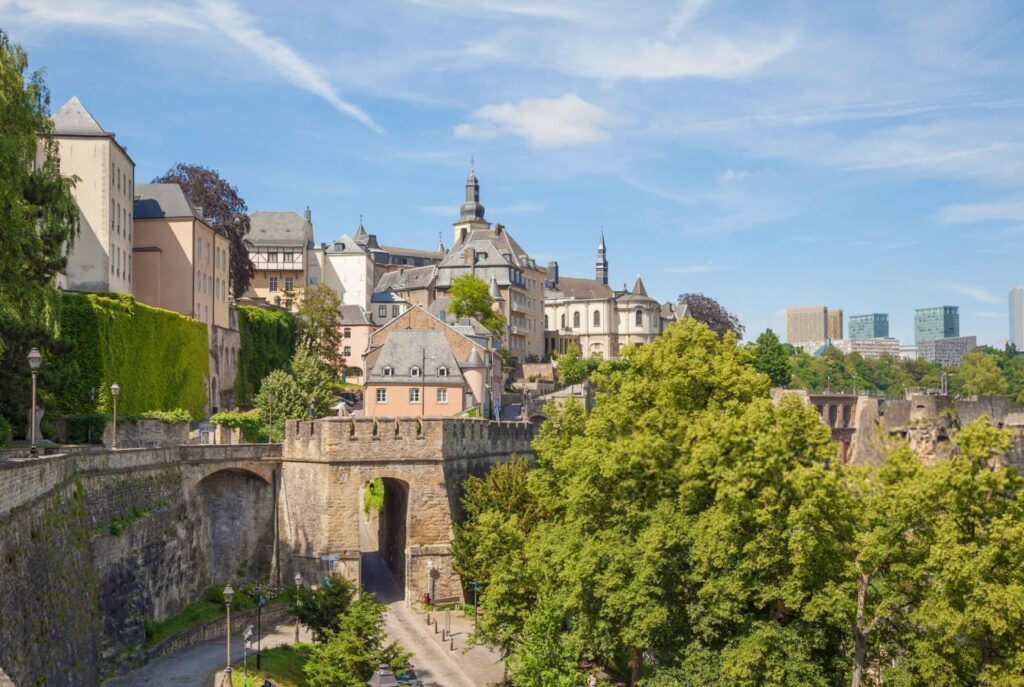
Luxembourg City, the capital of the Grand Duchy, is compact but extraordinarily rich in content. A UNESCO World Heritage Site since 1994. Within its modest 52 square kilometres it offers something that other capitals simply cannot match at any price: an authentic medieval city, preserved almost entirely intact, embedded within vibrant contemporary life.
Luxembourg: The Essential Sights
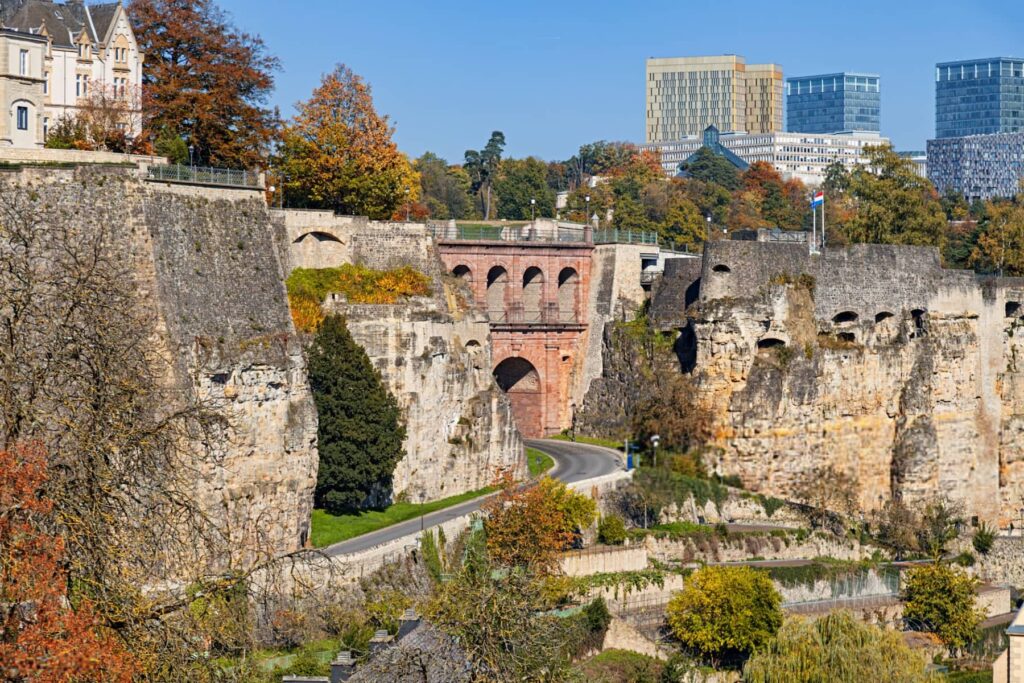
Bock Casemates — The Underground Fortress This is my personal favourite place in Luxembourg, and I bring every single guest here without exception. The Casemates are a system of underground tunnels and fortifications hewn from the rock, stretching for over 17 kilometres in total. A section is open to visitors. During World War II, up to 35,000 city residents sheltered in these passages. To descend into these dark corridors and emerge onto the viewpoint over the Pétrusse gorge is an experience unlike any other.
The Old Town and Grand Place (Place d’Armes) The beating heart of Luxembourg City — lively, beautiful, full of terrace cafés, historic facades, and fountains. Every walk through Luxembourg begins and ends here. I like to bring guests here in the morning, before the tourists arrive in force.
The Grand Ducal Palace The official residence of the Grand Duke stands right in the heart of the old town, within easy walking distance of the main square. The Flemish Renaissance facade from the 16th century is magnificent. In summer, guided tours of the interior are available; at other times, the exterior and the Changing of the Guard ceremony are well worth seeing.
Adolphe Bridge — The City’s Signature Landmark One of the most beautiful stone bridges in Europe. Built at the turn of the 20th century, it connects the old town with the newer districts. From the bridge, the view over the Pétrusse gorge is vertiginous in the best possible way. A mandatory photograph stop.
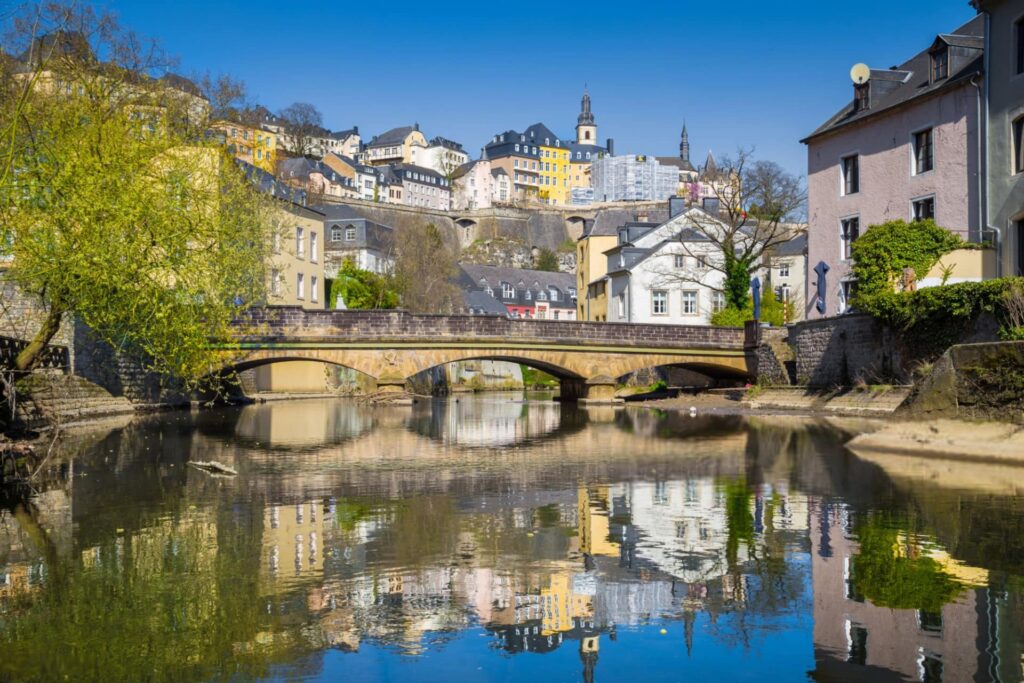
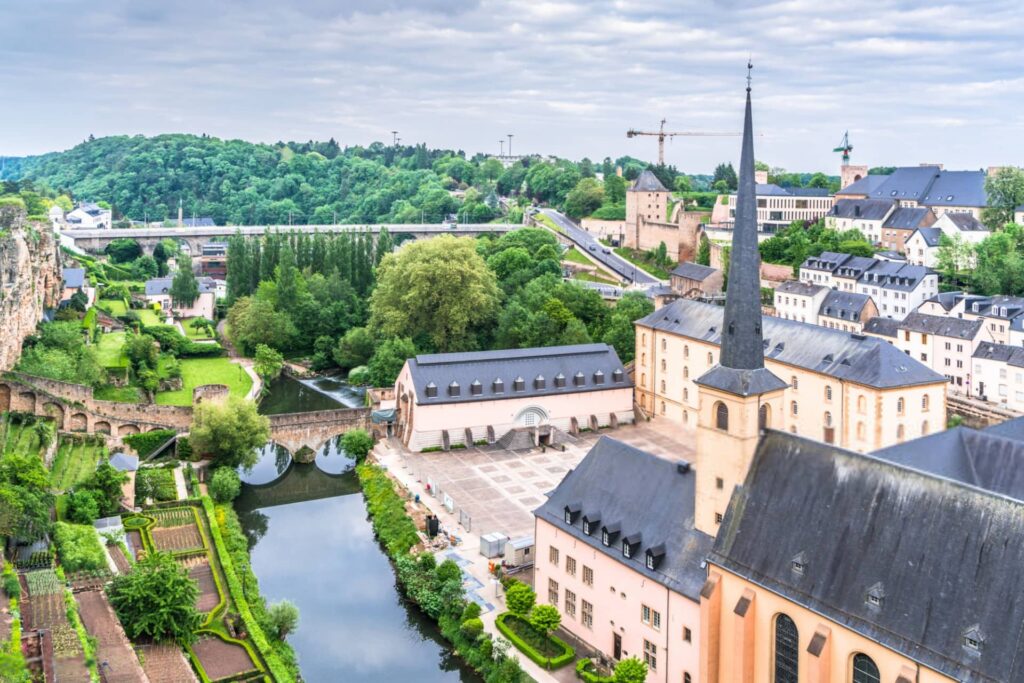
The Grund Quarter and the Pétrusse Valley The lower town of Luxembourg is an entirely different world. You descend steep staircases into the valley of the Alzette river and emerge into the Grund quarter: red-tiled roofs, millwheels, ancient plane trees, quiet waterside cafés. This is a place outside of time, and it is here that I like to pause — to sit on a bench and feel what genuine European tranquillity actually means.
The European Quarter — Luxembourg as an EU Capital Many visitors don’t realise that Luxembourg, alongside Brussels and Strasbourg, is one of the capitals of the European Union. The European Court of Justice, the European Court of Auditors, and a number of other EU institutions are based here. The architecture of the quarter — modern, glassy, ambitious — creates a striking contrast with the medieval centre. A very Luxembourgish contrast: past and future side by side.
What to Eat and Drink in Luxembourg: The Grand Duchy’s Gastronomy
As a former professional sommelier with fifteen years of experience, I cannot speak about Luxembourg without mentioning its food and wine. There is genuinely much to discover here.
Judd mat Gaardebounen — the national dish: smoked collar of pork with broad beans. Hearty, aromatic, deeply satisfying — the very soul of Luxembourgish home cooking.
Friture de la Moselle — small river fish from the Moselle or Sûre rivers, pan-fried in butter. A seasonal delicacy, available only at certain times of year.
Quetschentaart — a plum tart on thin pastry. Simple but unexpectedly delicious.
Luxembourgish wines — a story in themselves. The Moselle wine region of Luxembourg produces outstanding white wines: Rivaner, Auxerrois, Riesling. They are almost never exported — virtually everything is consumed within the country itself. A glass of local Crémant (sparkling wine) on a terrace overlooking the old town is, for me, luxury travel in its purest form.
Michelin-starred restaurants: Luxembourg City, despite its modest size, ranks among the European capitals with the highest concentration of Michelin-starred restaurants per capita. I am always happy to assist my guests with reservations when they wish to combine a sightseeing tour with a gastronomic dinner.
What Else to See Near Luxembourg
If you have additional time — or are planning to stay overnight in Luxembourg — here is what I recommend:
Vianden — one of the most beautiful castle towns in Europe. A medieval fortress on a crag above the river Our, surrounded by a perfectly preserved small town. About 40 minutes from the capital.
Echternach — the oldest town in Luxembourg, with a Romanesque abbey dating from the 7th century. A peaceful, contemplative place, ideal for an unhurried stroll.
The Moselle Valley — vineyards, quiet villages, wine-tasting cellars. If you love wine, this is non-negotiable. As a sommelier, I lead special gastronomic tours here by request.
Malmedy and Spa (Belgium) — on the return journey, a detour through Spa — the town that gave its name to spa culture worldwide — and Malmedy with the spectacular Coo waterfalls makes for a magnificent conclusion.
How I Organise This Itinerary: A Private Tour in Practice
I run this route as a full-day excursion from Brussels, Antwerp, Ghent, or Amsterdam — in my comfortable private car, which accommodates up to 6 passengers. We depart early in the morning, stop in Dinant and Namur, arrive in Luxembourg City by noon or early afternoon, spend 4–5 hours there, and return by early evening.
The format is strictly individual. No groups, no coaches. Just you — your family or a small group of close friends — and me, as your personal guide and driver.
With over 9 years of experience and 1,700 tours, I understand precisely what comfortable travel at the premium and luxury level means. I attend to every detail: the right amount of time in each place, no rushing, complete flexibility around your interests, and personal recommendations for restaurants and cafés along the way.
The itinerary can be adapted to suit you: if you wish to spend the night in Luxembourg and return the following day — wonderful. If you want to add the Moselle Valley or Vianden Castle — absolutely. Every tour I design is individual.
5 FAQ — Common Questions About a Trip to Luxembourg from Belgium
1. How long is the drive from Brussels to Luxembourg? The direct drive from Brussels to Luxembourg City takes approximately 2 hours by car. Our itinerary with stops in Dinant and Namur adds roughly an hour and a half to two hours in total driving time — all of it through some of the most beautiful scenery in the Benelux region.
2. Can you really see Luxembourg in one day? Yes, absolutely — and not just superficially. In a full, well-planned day you can visit all the essential sights of Luxembourg City: the Bock Casemates, the Old Town, the Grand Ducal Palace, Adolphe Bridge, the Grund quarter, and the European Quarter — plus a proper lunch in a local restaurant and time for leisurely exploration at your own pace.
3. Do I need a visa to visit Luxembourg? Luxembourg is part of the Schengen Area. If you hold a valid Schengen visa, or are a citizen of an EU member state, no additional documentation is required. There are no border checks when entering from Belgium — the border is entirely open.
4. Is Luxembourg worth visiting — isn’t there “nothing to see” there? This is the single most common misconception about Luxembourg. In reality, the capital of the Grand Duchy is one of the most beautiful and least over-touristed cities in Western Europe. There are no crowds like those in Bruges or Amsterdam. The architecture is extraordinary, the gastronomy is outstanding, the gorge landscape is unique — and the atmosphere is genuinely alive. For luxury travellers, it is an ideal destination: exclusivity without ostentation.
5. How do I book a private guided tour to Luxembourg by car? Simply contact me directly: hollandtraveltime@gmail.com or WhatsApp +31 619 780 754. I will put together a tailored itinerary for your dates and preferences, discuss the route details and pricing. I conduct tours in English, Russian, and Ukrainian.
Conclusion: Luxembourg Is Not a Detour — It’s the Diamond of the Route
Every time I finish this tour and see the faces of my guests — tired, but radiant — I know I will keep running this itinerary for a long time to come. Because it works. Because it delivers precisely what people come to Europe for: the discovery of something new, the sensation of living history, the taste of another culture, and that quiet, warm feeling of a day genuinely well spent.
Luxembourg from Belgium is not a compromise. It is a perfect union.
Ready to see it for yourself? I look forward to hearing from you.
Tatyana — Licensed Private Guide to the Netherlands and Belgium 🌷